
Fire Watch Services: Ensuring Safety for Kansas City’s Historic Structures
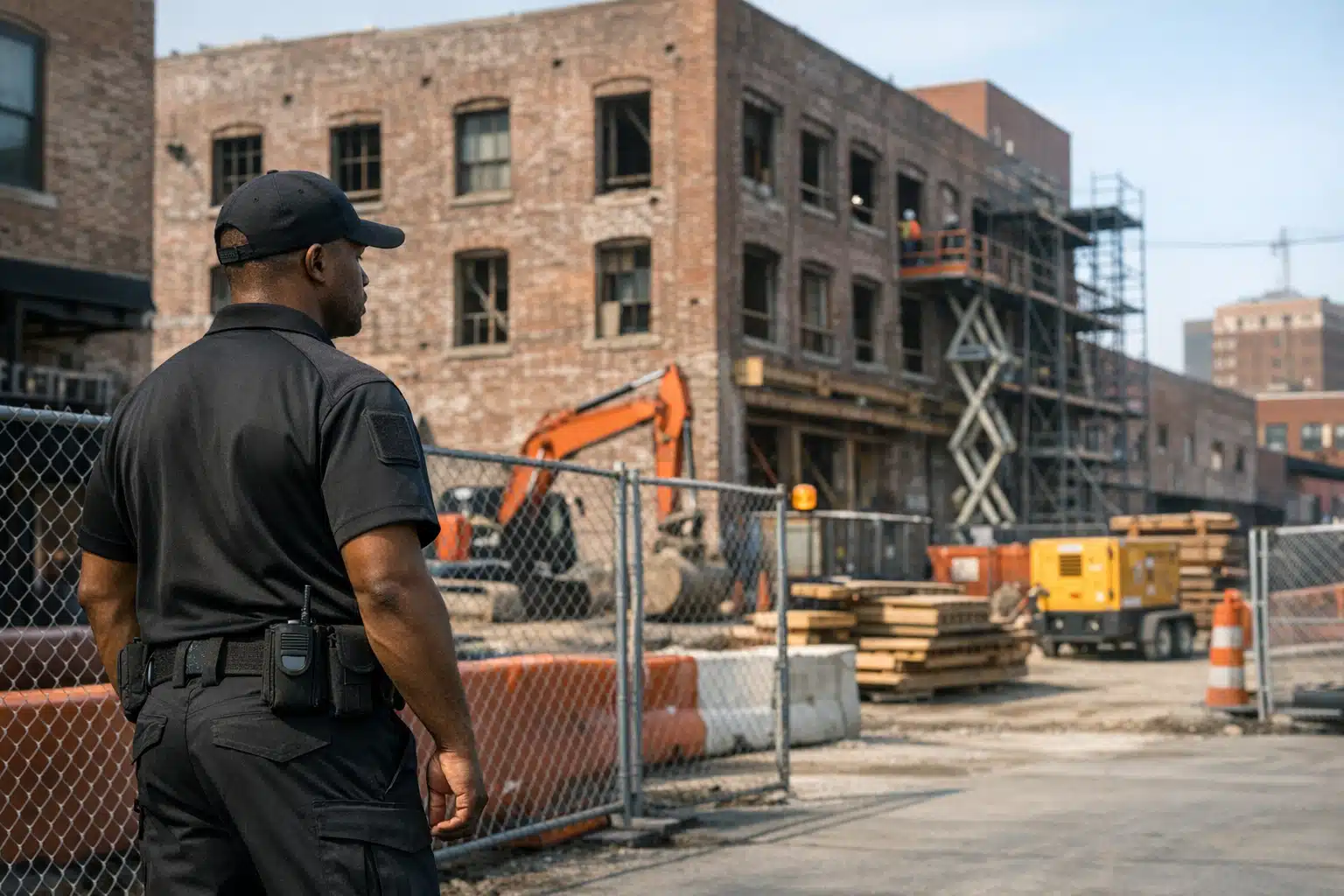
Fire watch services are specialized security measures designed to protect historic structures during vulnerable periods, such as renovations. They involve trained personnel monitoring for fire hazards to prevent catastrophic losses that cannot be covered by construction insurance, ensuring the safety of irreplaceable buildings.
Kansas City lost three historic buildings to preventable fires in 2023, including a century-old warehouse in the Crossroads Arts District during renovation work. Fire watch services now stand as the primary defense for protecting Kansas City’s irreplaceable historic structures during vulnerable periods. These specialized security measures prevent catastrophic losses that construction insurance cannot replace.
Historic buildings face higher fire risks due to aged electrical systems, wood construction, and ongoing restoration work. Kansas City’s collection of Art Deco buildings, Victorian homes, and early 20th-century commercial structures requires dedicated protection strategies.
Understanding Fire Watch Services for Historic Properties
Fire watch services involve trained security personnel monitoring buildings for fire hazards when normal protection systems are offline or inadequate. Guards patrol designated areas every 30-60 minutes, checking for smoke, unusual odors, heat sources, and potential ignition risks.
Historic properties need fire watch coverage during several scenarios:
- Sprinkler system maintenance or repairs
- Fire alarm system upgrades
- Construction and renovation projects
- Hot work operations (welding, cutting, soldering)
- Temporary heating system installation
- Power outages affecting safety systems
Kansas City’s building codes require fire watch coverage when automatic fire suppression systems are impaired for more than four hours in occupied buildings.
Why Kansas City’s Historic Structures Need Specialized Fire Protection
Historic buildings present unique fire risks that modern structures avoid. The Union Station renovation in the 1990s required continuous fire watch coverage due to the building’s massive wooden roof trusses and limited fire suppression access points.

Construction Materials Create Higher Risk
Pre-1950 buildings often contain materials that accelerate fire spread. Horsehair plaster, wood lath construction, and balloon framing create hidden pathways for flames and smoke. The original hardwood floors and trim burn rapidly once ignited.
Many Kansas City historic buildings lack proper fire barriers between floors. Flames can travel through wall cavities and stairwells faster than in modern construction.
Limited Access for Emergency Response
Narrow staircases, low ceiling heights, and small doorways slow firefighter response times. The historic buildings in the West Bottoms district present particular challenges due to limited street access and older water pressure systems.
Fire watch guards provide immediate response capabilities that external emergency teams cannot match during the critical first minutes of a fire incident.
Historic Structure Safety During Renovation Projects
Renovation work creates the highest fire risk periods for historic buildings. Dust, debris, exposed wiring, and hot work operations multiply ignition sources while disabling existing safety systems.
The Country Club Plaza has implemented mandatory fire watch requirements for all historic building renovations after a 2019 incident where sparks from grinding work ignited century-old wooden beams.
Hot Work Monitoring Requirements
Welding, cutting, and soldering operations require continuous fire watch coverage during work hours plus one additional hour after completion. Guards monitor work areas and adjacent spaces where sparks might travel through wall cavities or floor openings.
Fire watch personnel carry portable extinguishers rated for Class A, B, and C fires. They maintain direct radio communication with project supervisors and local fire departments.
Construction Site Fire Prevention
Historic renovation sites need different fire prevention strategies than new construction. Guards check for proper storage of flammable materials away from ignition sources, verify hot work permits are current, and monitor temporary electrical installations.
Common fire hazards during historic building renovation include:
- Improperly stored paint thinners and solvents
- Overloaded temporary electrical circuits
- Heat guns left unattended near combustible materials
- Debris accumulation blocking emergency exits
- Space heaters placed too close to wooden surfaces
Kansas City Fire Code Requirements for Historic Buildings
Kansas City’s fire code includes specific provisions for historic structures that cannot meet modern safety standards without compromising their historic integrity. Buildings listed on the National Register of Historic Places may receive alternative compliance options.
However, these alternatives often require enhanced fire watch coverage to compensate for grandfathered systems that do not meet current standards.
Sprinkler System Impairments
When sprinkler systems require maintenance or repairs, buildings must implement fire watch coverage within four hours of system shutdown. Guards must patrol all protected areas at intervals not exceeding one hour.
Historic buildings with partial sprinkler coverage need fire watch guards in unprotected areas whenever the building is occupied or contains valuable artifacts.
Fire Alarm System Maintenance
Fire alarm system testing and repairs trigger mandatory fire watch requirements in most Kansas City historic buildings. Guards provide human detection capabilities while automated systems are offline.
The fire watch team coordinates directly with alarm technicians to avoid false alarms while maintaining safety coverage.

 Posted on Google
Protecting Irreplaceable Historic Assets
Kansas City’s historic buildings contain architectural details, artwork, and cultural artifacts that cannot be replaced if destroyed by fire. The Kansas City Museum’s historic mansion requires specialized fire watch protocols to protect both the building structure and its collections.
Artifact and Collection Protection
Museums, historic houses, and cultural centers need fire watch guards trained in emergency procedures for valuable collections. Guards know evacuation priorities for irreplaceable items and coordinate with specialized recovery teams.
Fire watch personnel receive training on smoke damage prevention, including immediate ventilation procedures and temporary protective covering for sensitive materials.
Architectural Feature Preservation
Original woodwork, stained glass windows, and decorative plaster cannot be replicated with modern techniques. Fire watch guards focus on preventing small fires that cause irreversible damage to these features.
Early detection prevents water damage from sprinkler systems that can be as destructive as fire itself for historic materials.
Selecting Professional Fire Watch Services
Effective fire watch coverage requires guards with specific training in fire prevention, emergency procedures, and historic building characteristics. Not all security companies provide qualified fire watch personnel.
Licensed fire watch guards complete training programs covering fire behavior, extinguisher use, emergency communications, and building evacuation procedures.
Training and Certification Requirements
Missouri requires fire watch guards to complete state-approved training programs before working independently. Certification covers fire science basics, patrol procedures, incident documentation, and emergency response coordination.
Guards working on historic properties receive additional training on the unique challenges these buildings present, including limited access routes and special evacuation procedures.
Equipment and Communication Systems
Professional fire watch teams carry portable fire extinguishers, flashlights, two-way radios, and emergency communication devices. Guards maintain hourly check-in schedules with dispatch centers.
Fire watch reports document patrol times, areas checked, hazards identified, and corrective actions taken. These records satisfy insurance requirements and building code compliance documentation.
Cost Considerations for Historic Building Owners
Fire watch coverage costs less than fire damage restoration for historic properties. A single fire incident can result in millions of dollars in irreversible losses, while professional fire watch coverage typically costs $25-40 per hour per guard.
Insurance companies may offer premium reductions for buildings with documented fire watch programs, offsetting part of the coverage cost.
Most historic building renovations require fire watch coverage for 10-20% of the total project timeline, concentrated during high-risk work phases.
Kansas City’s historic structures represent irreplaceable cultural and architectural heritage that requires proactive fire prevention strategies. Professional fire watch services provide the specialized protection these buildings need during vulnerable periods. Investing in proper fire watch coverage protects both the physical structure and the historic legacy these buildings represent for future generations.
Twin City Security Kansas City provides certified fire watch guards trained specifically for historic building protection throughout the Kansas City metro area. Our guards understand the unique challenges historic properties present and maintain the vigilant monitoring your building requires. Contact us at 913‑831‑2525 or Kansas@TwinCitySecurity.com to discuss fire watch coverage for your historic property.
Sources
- National Fire Protection Association – Fire Watch Standards
- National Park Service – Historic Building Fire Protection Guidelines
- Kansas City Fire Department – Commercial Fire Safety Requirements
- FEMA – Historic Property Emergency Management
Fire watch services are essential for protecting Kansas City's historic buildings from fire hazards during vulnerable periods. These services involve trained personnel monitoring properties to prevent catastrophic losses that insurance cannot cover.
- Kansas City lost three historic buildings to preventable fires in 2023, highlighting the need for fire watch services. Fire watch guards patrol buildings every 30-60 minutes to check for potential fire hazards. Specialized coverage is required during renovations, maintenance, and when fire suppression systems are offline.
- Kansas City lost three historic buildings to preventable fires in [...] Kansas City lost three historic buildings to preventable fires in 2023, including a century-old warehouse in the Crossroads Arts District during renovation work.
- Fire watch services now stand as the primary defense for protecting Kansas City’s irreplaceable historic structures during vulnerable periods.
Recent Posts