
Ensuring Safety at Kansas City’s New Cultural Festivals
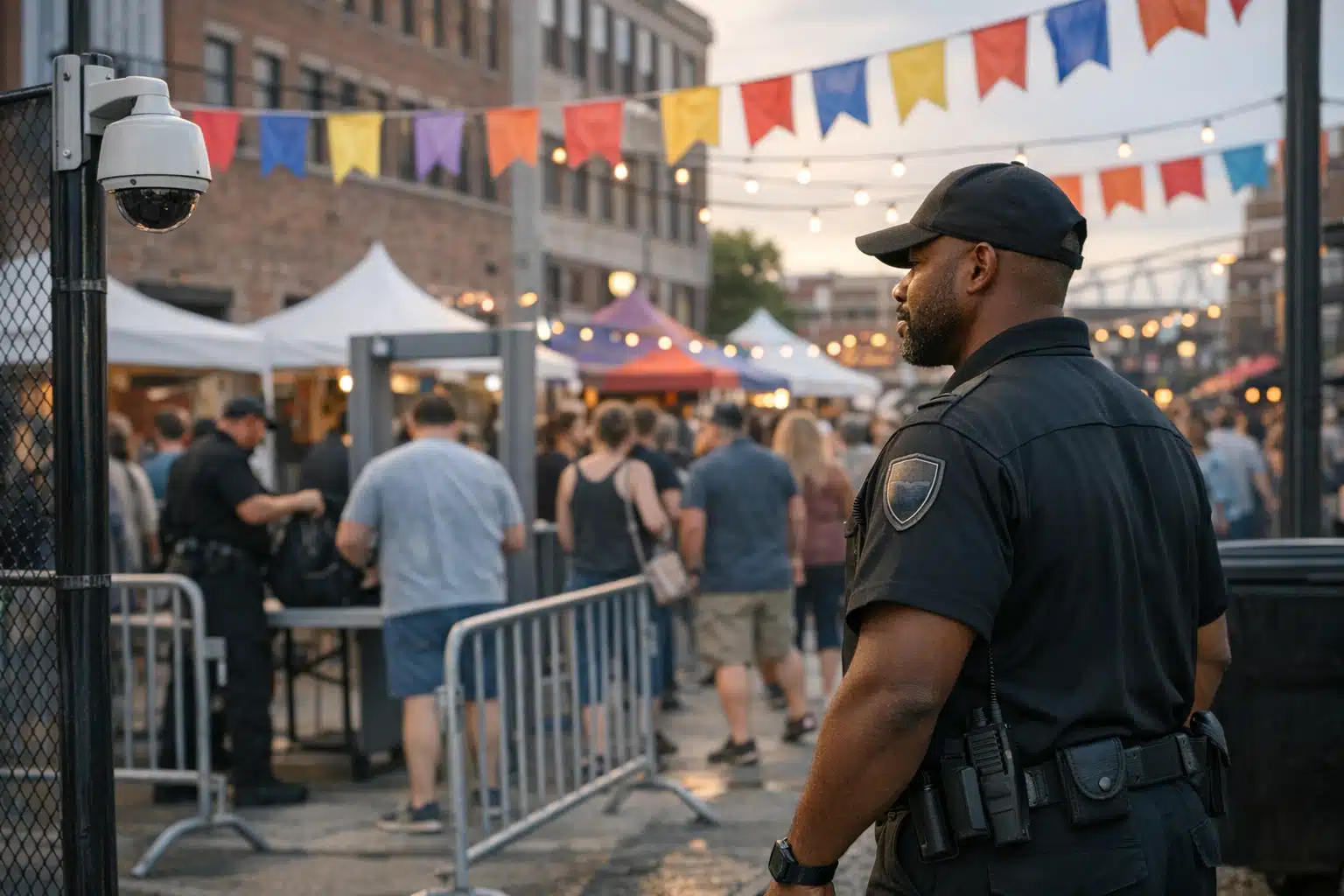
Security at Kansas City's cultural festivals is crucial due to the large crowds and the potential risks involved. With thousands of attendees, organizers must protect guests, staff, and property from various threats, including cash handling, alcohol sales, and unpredictable weather conditions, ensuring a safe environment for everyone.
Kansas City hosts more than 100 festivals each year, and new cultural events keep joining the calendar. Strong cultural festival security matters because these gatherings pack thousands of people into open spaces like the Crossroads Arts District and Westport. Vendor cash, alcohol sales, and unpredictable Midwest weather raise the stakes for organizers. This post breaks down what festival planners face and how to protect guests, staff, and property.
Why Cultural Festival Security Is Different in Kansas City
Festivals are not stadium events with fixed seating and controlled gates. Many Kansas City cultural festivals spread across public streets, parks, and mixed retail zones.
That open layout creates gaps a single guard cannot cover. It also mixes paying attendees with foot traffic from nearby bars and shops.
Events in the Power & Light District draw a different crowd than a family arts fair in the West Bottoms. Each one needs its own security plan.
Common Risks at Local Cultural Events
- Cash theft from vendor booths during peak sales hours
- Alcohol-related incidents near beer gardens and stages
- Lost children in dense crowds with poor sightlines
- Vehicle intrusion at street-level entry points
- Sudden storms that force fast evacuations
Each risk grows worse when attendance passes 5,000 people. Planning ahead keeps small problems from turning into headlines.
Crowd Management for High-Density Festival Zones
Crowd management starts with counting people before the event begins. Organizers who track entry numbers can spot dangerous density early.
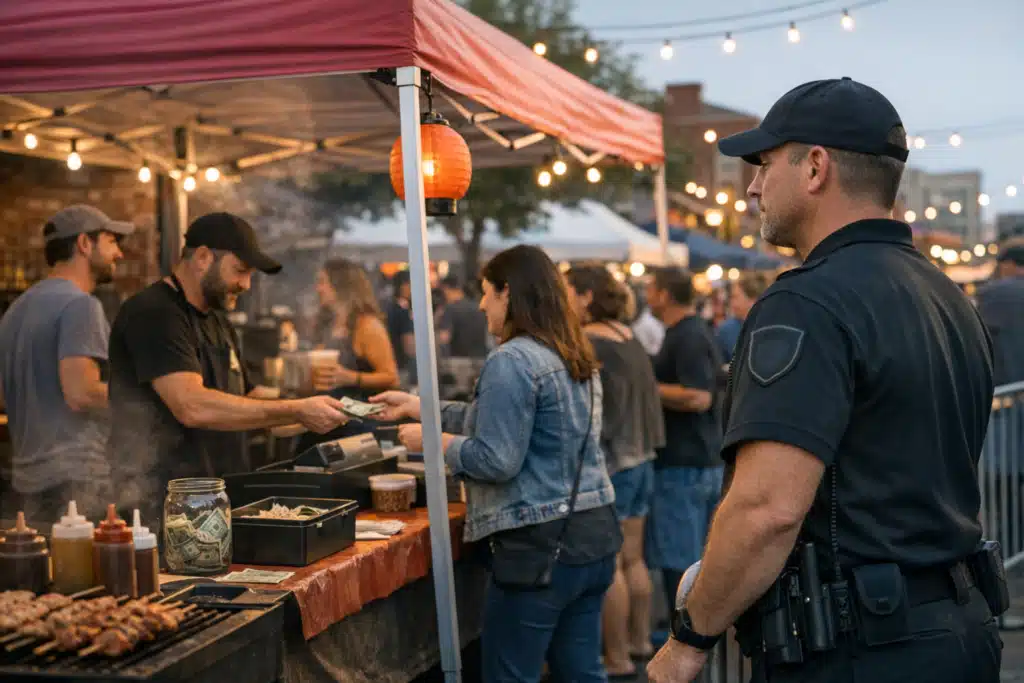
A packed alley in the Crossroads behaves differently than an open lawn near the river. Guards need to know choke points before doors open.
Steps to Control Festival Crowds
- Map the site and mark every entrance, exit, and stage front.
- Set capacity limits for fenced areas like beer gardens.
- Position guards at choke points where lines and foot traffic collide.
- Use clear signage to direct attendees and reduce confusion.
- Keep radio contact between all posts and a command point.
These steps reduce shoving, blocked exits, and slow response times. They matter most when a stage act draws a sudden rush toward the front.
Protecting Festival Vendors and Cash Handling
Food and craft vendors carry large amounts of cash during Kansas City festivals. Theft spikes during the busiest lunch and dinner windows.
A single visible guard near a vendor row cuts opportunistic grabs. Cameras add a record when guards cannot watch every booth.
Practical Vendor Protection Tips
- Schedule cash pickups at set times with guard escorts.
- Place portable cameras facing high-traffic vendor lanes.
- Keep lighting bright at booths that run past sunset.
- Give vendors a direct radio or phone line to security.
Vendors who feel safe return the next year. That stability helps organizers build long-term festival lineups.
Remote Video Surveillance for Festival Grounds
Remote video surveillance covers ground that on-site guards cannot reach at once. Cameras watch parking lots, back alleys, and equipment storage around the clock.
Trained operators monitor live feeds and alert guards to trouble fast. This pairing works well for multi-day events in the Crossroads or West Bottoms.
Where Cameras Add the Most Value
- Overflow parking lots where vehicle break-ins happen after dark
- Load-in zones holding sound gear and vendor stock
- Perimeter fence lines that guards cannot patrol constantly
- Cash office trailers that hold daily proceeds
Live monitoring cuts response time from minutes to seconds. It also gives police clear footage after an incident.
Planning for Midwest Weather and Emergencies
Kansas City sits in a region where spring storms turn violent fast. Tornado watches and straight-line winds threaten outdoor festivals from April through June.
Security teams should hold a weather plan before the first guest arrives. Guards must know shelter locations and evacuation routes by heart.
A Basic Festival Weather Response Plan
- Assign a weather monitor to track radar during the event.
- Set trigger points for pausing music and clearing open areas.
- Identify sturdy shelter in nearby buildings or parking structures.
- Rehearse the evacuation with staff before gates open.
- Announce clear instructions over the sound system when time comes.
A calm, practiced team moves crowds faster than a panicked one. Seconds count when a warning siren sounds over Kansas City.

 Posted on Google
Missouri and Kansas Rules Festival Organizers Should Know
Festival security work carries legal weight in both states. Missouri and Kansas each regulate licensing for guards and armed personnel.
Alcohol sales at festivals bring added rules from state liquor authorities. Organizers who ignore these rules risk fines and shutdowns.
Key Compliance Points
- Confirm guards hold proper state licensing for the venue location.
- Match alcohol service staff with the correct permits.
- Coordinate with local police on street closures and crowd size.
- Keep incident records that meet insurance requirements.
A security partner familiar with both states saves organizers stress. That local knowledge keeps events on the right side of the law.
Building a Festival Security Budget That Works
Security cost depends on attendance, hours, alcohol, and site size. A one-day arts fair costs far less than a three-day music festival.
Organizers should request a walk-through before pricing any event. A site visit reveals blind spots that a phone quote misses.
Factors That Shape Your Quote
- Number of guards needed per shift and per zone
- Armed versus unarmed staffing decisions
- Camera count and monitoring hours
- Event duration and overnight equipment watch
Clear scoping prevents surprise charges later. It also matches your spend to the real risk level of your event.
Conclusion
Kansas City’s growing festival scene rewards organizers who plan security early. Strong crowd management, vendor protection, and weather readiness keep guests safe and events profitable. A local partner who knows both Missouri and Kansas rules removes much of the guesswork.
Twin City Security Kansas City provides on-site guards and remote video surveillance built for local cultural festivals. Call 913‑831‑2525 or email Kansas@TwinCitySecurity.com for a festival security assessment or monitoring quote.
Sources
- National Weather Service – Kansas City/Pleasant Hill Forecast Office
- Missouri Division of Professional Registration – Licensing Information
- Kansas City Missouri Police Department – Crime and Safety Resources
- CISA – Security of Soft Targets and Crowded Places
Kansas City hosts over 100 cultural festivals annually, necessitating effective security measures to protect attendees, vendors, and property. The unique layout of these events requires tailored security plans to manage risks and ensure safety.
- Kansas City festivals attract large crowds, creating challenges for security due to open layouts and mixed foot traffic. Each event requires a specific security strategy to address its unique risks.
- Common risks include cash theft, alcohol-related incidents, and sudden weather changes that require quick evacuations. Planning ahead helps mitigate these issues before they escalate.
- Effective crowd management and vendor protection are essential, with strategies like mapping entry points, using surveillance, and having clear communication to enhance safety.
Recent Posts