
How to Secure Kansas City’s Small Businesses Against Late Summer Risks
To secure small businesses in Kansas City during late summer, owners should implement measures such as reinforcing physical security, training staff on emergency protocols, and preparing for potential staffing shortages. Additionally, investing in weather-related insurance and enhancing customer engagement can help mitigate risks associated with storms and increased foot traffic.
Why Late Summer Puts Kansas City Small Businesses at Higher Risk
Kansas City small business owners face a specific squeeze in August and September. Storm season overlaps with heavy foot traffic, longer daylight break-ins, and staffing gaps from summer vacations.
Strong small business security means matching your protection to the calendar. The threats a Crossroads gallery faces in late August differ from a January morning.
This post breaks down the late summer risks hitting Kansas City retailers, restaurants, and venues. You get concrete steps, local examples, and clear priorities before the season peaks.
The Specific Late Summer Risks Kansas City Businesses Face
Late summer stacks several threats on top of each other. Owners who plan for one and ignore the rest get caught off guard.
Severe Storms and Power Outages
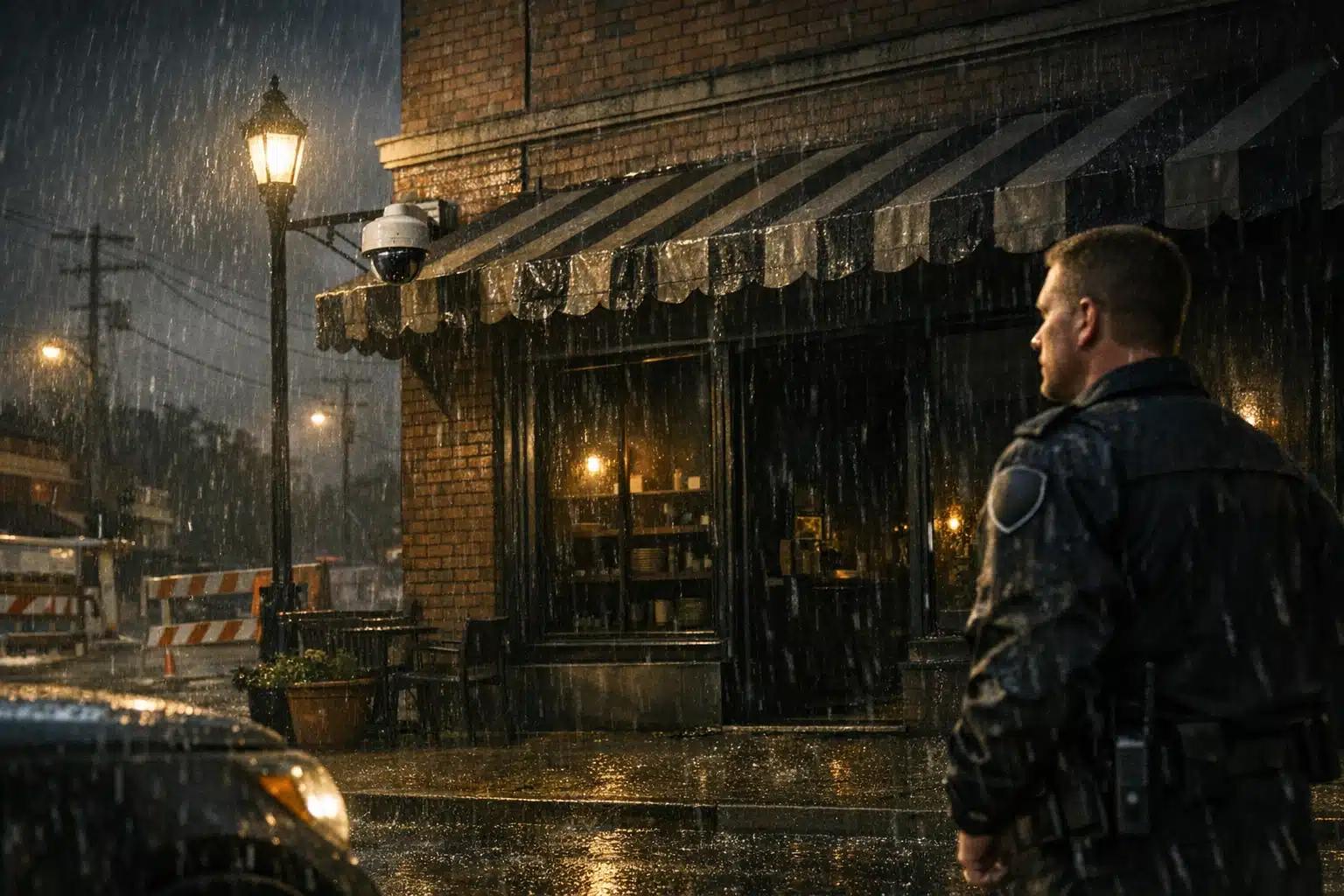
Missouri and Kansas sit in a corridor for August thunderstorms and derecho events. High winds knock out power, and dead alarm systems leave stores exposed.
A storefront near Westport with a wired-only alarm goes dark the moment the grid drops. Thieves know an outage means no cameras and no monitoring.
Event Crowds and Overflow Theft
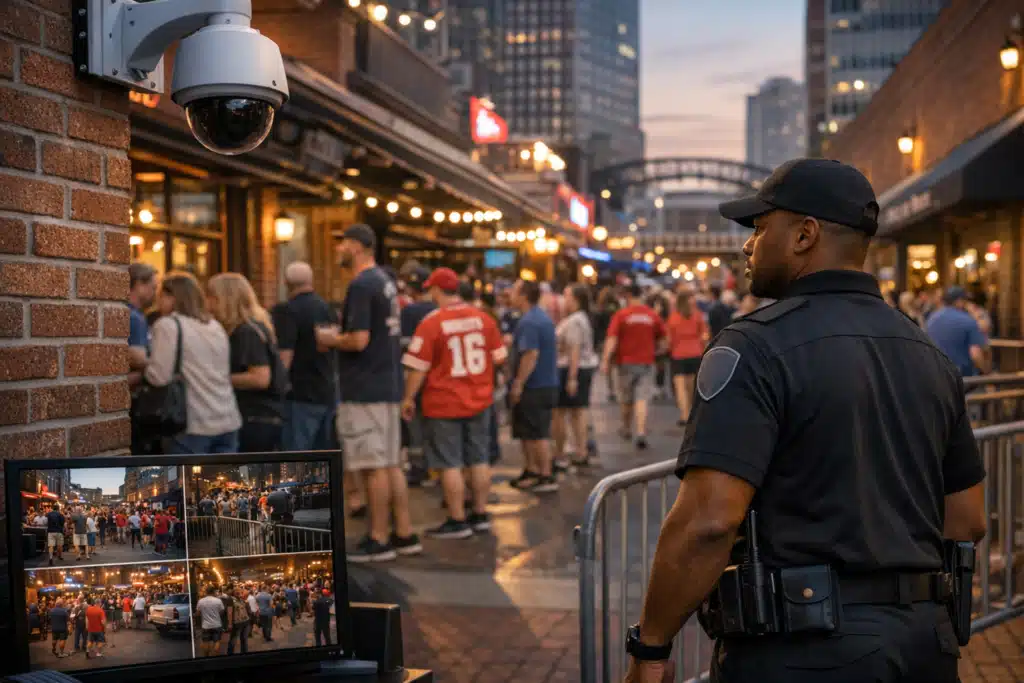
Chiefs and Royals preseason activity draws crowds into the Power & Light District and surrounding blocks. Bars and shops see more customers and more shoplifting.
Crowd spillover from large gatherings creates cover for theft. A busy sidewalk lets someone slip merchandise out unnoticed.
Extended Daylight and Delivery Exposure
Longer evenings push closing times later. Staff lock up alone after dark in lots that felt safe at 6 p.m. but not at 9 p.m.
Late summer also brings peak delivery volume. Package theft rises at apartment communities in Overland Park and along the Plaza.
Vacation Staffing Gaps
Managers and long-term employees take August time off. Fill-in staff miss the small warning signs that a seasoned worker would catch.
How to Build Small Business Security for the Season
Match your defenses to the risks above. Work down this list in order of impact.
- Audit your power backup. Confirm alarms, cameras, and locks work during an outage. Add battery or cellular backup where wired systems fail.
- Review camera coverage at entry and exit points. Blind spots at back doors and loading areas invite theft during crowded events.
- Set a two-person closing rule. No employee locks up alone after dark. Pair shifts during peak event weeks.
- Move deliveries indoors fast. Assign a staff member to bring packages inside within minutes, not hours.
- Brief temporary staff on procedures. Write down opening, closing, and emergency steps. Do not assume fill-ins know them.
Protecting Retail Shops in the Crossroads and Westport
Small retail faces the highest late summer theft exposure. Foot traffic and open displays make merchandise easy to grab.
Layer Visible and Hidden Deterrents
Place cameras where customers can see them near entrances. Position a second set to cover blind spots that shoplifters test.
A visible guard presence during weekend event surges cuts theft attempts. People behave differently when someone is watching the floor.
Track Inventory During Crowd Surges
Assign one staff member to watch the sales floor during rush periods. Split roles so the register person is not also guarding shelves.
Securing Kansas City Restaurants and BBQ District Businesses
Food businesses carry cash, alcohol, and high evening traffic. The stretch of BBQ spots and bars draws steady late-night crowds in summer.
Guard the Cash Handling Points
Robbery risk climbs at closing when registers hold the day’s cash. Schedule deposits before dark, not after the last customer leaves.
An on-site guard during closing hours protects staff carrying deposits to a vehicle. That walk across a dark lot is the exposure point.
Manage Patio and Parking Areas
Summer patio seating extends your footprint outdoors. Cameras covering patios and adjacent parking catch disputes and theft early.
Remote Video Surveillance for After-Hours Coverage
Remote video monitoring watches your property when no one is on site. Trained operators view live feeds and respond to activity in real time.
Remote monitoring works well for small businesses that cannot staff a guard around the clock. You get coverage without a full-time payroll line.
How Remote Monitoring Handles Late Summer Threats
- Storm outages: Cellular-backed cameras keep transmitting when the grid drops.
- After-hours intrusion: Operators trigger voice warnings and call police on live activity.
- Loading dock theft: Cameras flag movement at delivery zones after closing.
- Vacant stretches: Monitoring covers weekends when staff take time off.
Live intervention beats a recording you review after the loss. Stopping the act matters more than filing a report later.

 Posted on Google
On-Site Guards vs. Remote Monitoring: Which Fits Your Business?
Both methods protect Kansas City businesses. The right choice depends on your traffic, hours, and budget.
When On-Site Guards Make Sense
Choose a physical guard when you need crowd control or direct customer contact. Event weekends, high-cash operations, and busy retail floors benefit from a visible presence.
When Remote Monitoring Fits Better
Choose remote monitoring for after-hours coverage of a closed property. Construction sites, storage yards, and vacant retail suit this method at lower cost.
Many owners run both. A guard covers open hours, and remote monitoring takes the overnight shift.
A Simple Late Summer Security Checklist
Run this check before the next storm or big event weekend.
- Test alarm and camera backup power.
- Confirm cellular connection on monitoring equipment.
- Clear camera views of overgrown summer foliage.
- Verify lighting works across all lots and entrances.
- Update the closing-shift buddy schedule.
- Post emergency contacts where temporary staff can find them.
- Schedule cash deposits before dark.
Overgrown trees and shrubs block cameras by August. A five-minute trim restores coverage you already paid for.
Meeting Missouri and Kansas Security Requirements
Security guard licensing rules differ across the state line. Kansas City spans both Missouri and Kansas jurisdictions.
Hire a provider that holds proper credentials for your location. A licensed firm protects you from liability if an incident reaches court.
Ask any guard company for proof of licensing and insurance before signing. A firm that hesitates is a firm to avoid.
Conclusion
Late summer stacks storms, crowds, and staffing gaps against Kansas City small businesses. Matching your protection to these seasonal threats keeps merchandise, cash, and staff safe. The right mix of on-site guards and remote monitoring covers both open hours and quiet overnight stretches.
Twin City Security Kansas City builds security plans around your location, hours, and budget. Call 913‑831‑2525 or email Kansas@TwinCitySecurity.com for a local security assessment or monitoring quote.
Sources
- NOAA – Thunderstorms Education Resources
- FBI – Crime in the United States (UCR Program)
- NOAA Storm Prediction Center – Severe Weather Outlooks
Kansas City small businesses face heightened risks during late summer due to storms, increased foot traffic, and staffing shortages. This article outlines specific threats and offers practical security measures to safeguard against them.
- Severe storms can cause power outages, leaving businesses vulnerable to theft. Owners should ensure alarm systems have backup power.
- Crowded events lead to increased shoplifting, so businesses need to monitor their sales floors closely during peak times.
- Staffing gaps from vacations can create security blind spots, making it essential to brief temporary employees on safety protocols.
Recent Posts