
Adapting Security Solutions for Kansas City’s Tornado-Prone Business Areas
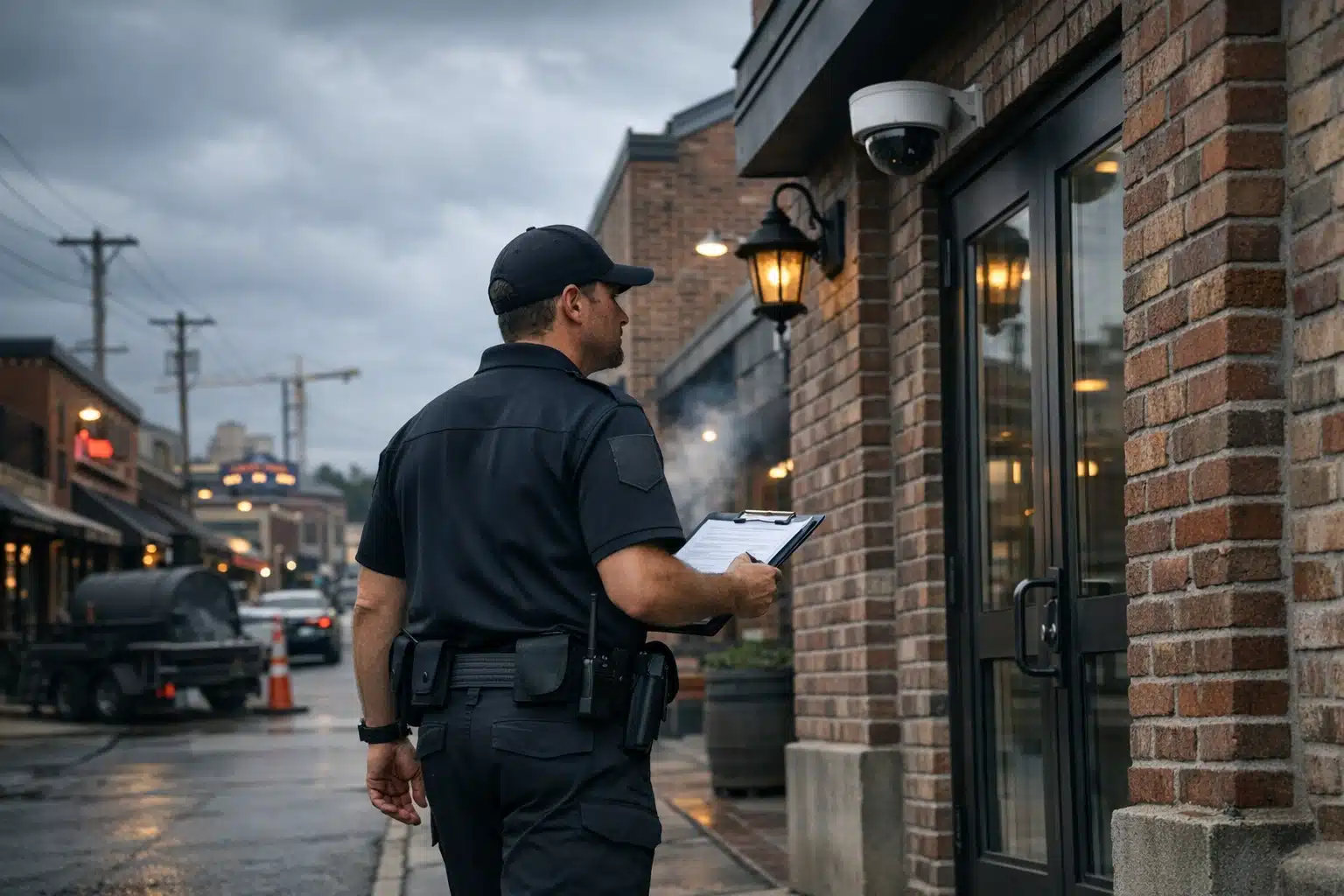
Tornado security for businesses in Kansas City involves implementing measures to protect people and property during severe storms. This includes ensuring the safety of employees, preventing looting after storms, and monitoring vacant buildings when staff must evacuate. Effective strategies are essential for managing risks in tornado-prone areas.
Kansas City sits inside Tornado Alley, and Jackson County averages several warned storms each spring. For Kansas City businesses, tornado security covers more than boarded windows. It means keeping people safe, stopping post-storm looting, and monitoring empty buildings when staff evacuate. This post walks property managers and venue operators through practical steps built for Midwest storm seasons.
Storms do not only damage roofs. They knock out alarm systems, kill power to cameras, and leave open doors across the Crossroads and Westport. Below are methods that hold up when the sirens sound.
Why Tornado Security Matters for Kansas City Businesses
A tornado warning triggers a chain reaction. Employees leave fast. Doors stay propped. Power flickers. Each gap invites theft and liability claims.
Retailers near the 18th & Vine BBQ district face a double threat during storm season. First comes wind damage. Then comes the quiet window when streets clear and stores sit unguarded.
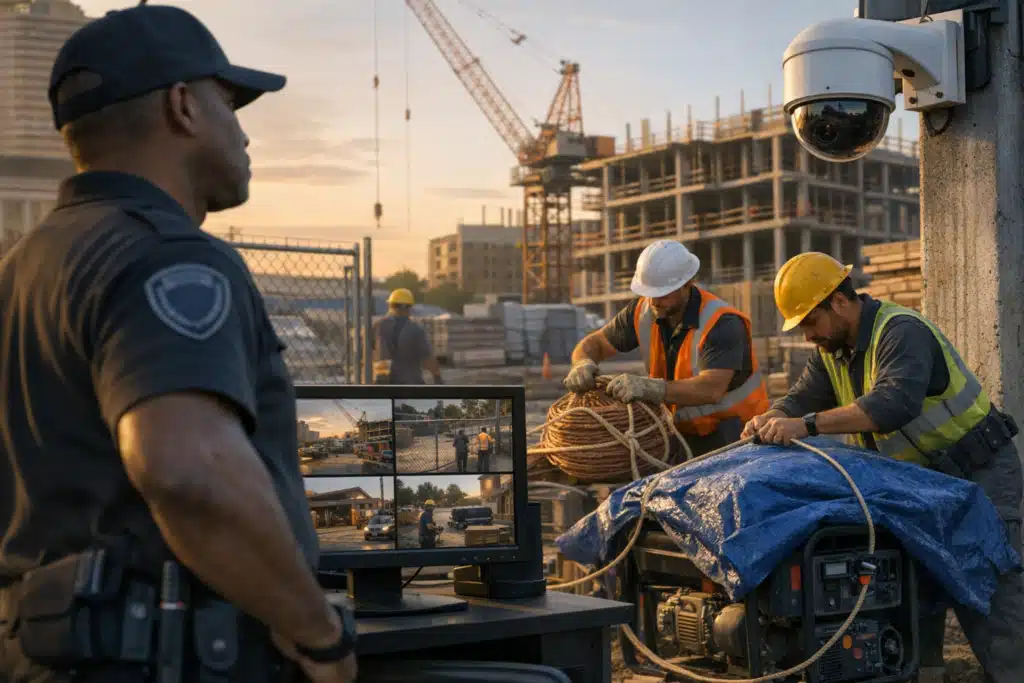
Construction sites across Overland Park carry loose material that becomes projectiles. Copper wire, tools, and generators vanish during the confusion after a storm passes.
Three risks spike during tornado season:
- Power failure that disables cameras and electronic locks
- Looting in evacuated commercial corridors
- Liability when staff or guests have no safe shelter plan
Building a Tornado Security Plan Before the Season Starts
The best time to plan is February, before the April-to-June peak. Waiting until a watch posts leaves no room to test equipment.
Start with a site walk. Map where people shelter and where cameras lose coverage during an outage.
Step-by-Step Preparation
- Identify shelter zones. Interior rooms on the lowest floor work best for staff and customers.
- Check backup power. Battery units should keep cameras and alarms running for at least 12 hours.
- Audit entry points. List every door that could blow open or stick after wind damage.
- Assign roles. Name who locks up and who confirms shelter headcounts.
- Test alerts. Connect your system to NOAA warnings for the Kansas City metro.
Write the plan down. Post it near exits in English and Spanish for mixed crews.
Remote Video Surveillance During and After Storms
Remote monitoring keeps eyes on your property when no one can stay on site. Operators watch live feeds from a safe location miles away.
This matters most in the hour after a tornado passes. Streets are empty, police respond to emergencies, and thieves move fast.
Remote surveillance supports tornado security by:
- Spotting broken doors or windows in real time
- Catching intruders in evacuated retail zones
- Recording damage for insurance claims
- Alerting police with verified activity, not false alarms
Cameras with battery and cellular backup keep working when grid power drops. Hardwired-only systems go blind the moment a transformer blows.
What to Ask Before Installing Storm-Ready Cameras
Not every camera survives Midwest weather. Ask vendors direct questions.
- Does the unit carry an IP66 rating against wind-driven rain?
- How long does the battery last after an outage?
- Does it switch to cellular when internet fails?
- Can operators verify alarms before calling police?
Protecting Kansas City Construction Sites During Tornado Season
Construction sites face the sharpest losses. Open framing, stored materials, and parked equipment sit exposed to wind and theft.
A single storm near a Lenexa jobsite can scatter lumber across a lot. Crews return to find missing tools and damaged generators.
Steps to protect a jobsite:
- Secure or remove loose material before a watch expires
- Lock equipment in anchored containers
- Position mobile camera trailers with solar and battery power
- Schedule guard patrols for the first 24 hours after a storm
Mobile surveillance trailers run without grid power. They stay online when a storm takes out the nearest pole.

 Posted on Google
On-Site Guards for Sports Venues and Entertainment Areas
Large crowds and sudden storms create hard choices. Arrowhead and the Power & Light District hold thousands who need direction fast.
Trained guards move people to shelter without panic. They also watch for theft when attention shifts to the weather.
During a tailgate or outdoor concert, a warning can hit with ten minutes of lead time. Guards who know the venue layout cut evacuation time.
Crowd Safety Steps During a Warning
- Open designated shelter areas immediately
- Direct foot traffic away from glass and open structures
- Guard cash points and merchandise during the rush
- Account for staff once the all-clear sounds
Post-Storm Response and Recovery
The first hours after a tornado decide your losses. Fast verification keeps claims clean and property secure.
Guards and remote operators document damage with timestamped footage. That record speeds insurance payouts for Kansas City businesses.
A strong recovery checklist includes:
- Confirm all staff and guests are accounted for
- Secure broken doors, windows, and fences
- Record damage with photos and video
- Post guards at open entry points until repairs finish
- Restore camera coverage with portable units if needed
Conclusion
Tornado security protects people first, then property, then paperwork. A plan built before April holds up when sirens sound across the metro. Remote monitoring and trained guards fill the gaps that storms create.
Twin City Security Kansas City helps local owners and venue operators prepare for storm season. Call 913‑831‑2525 or email Kansas@TwinCitySecurity.com for a Kansas City security assessment or monitoring quote.
Sources
- National Weather Service – Kansas City/Pleasant Hill Forecast Office
- NOAA – Tornado Safety Tips
- Ready.gov – Tornadoes Preparedness
- FEMA – Safe Rooms and Shelter Guidance
Kansas City businesses must prioritize tornado security to protect people and property during storm season. This guide outlines essential steps for property managers and venue operators to enhance safety and minimize losses.
- Tornado security involves planning for employee safety and preventing theft during evacuations. Businesses should prepare by mapping shelter zones and testing equipment before storm season.
- Remote video surveillance is crucial for monitoring properties when staff cannot be present, helping to catch intruders and document damage.
- Construction sites are particularly vulnerable, requiring measures like securing loose materials and scheduling guard patrols after storms to prevent theft and damage.
Recent Posts