
How to Strengthen Security for Kansas City’s Construction Sites During Tornado Season
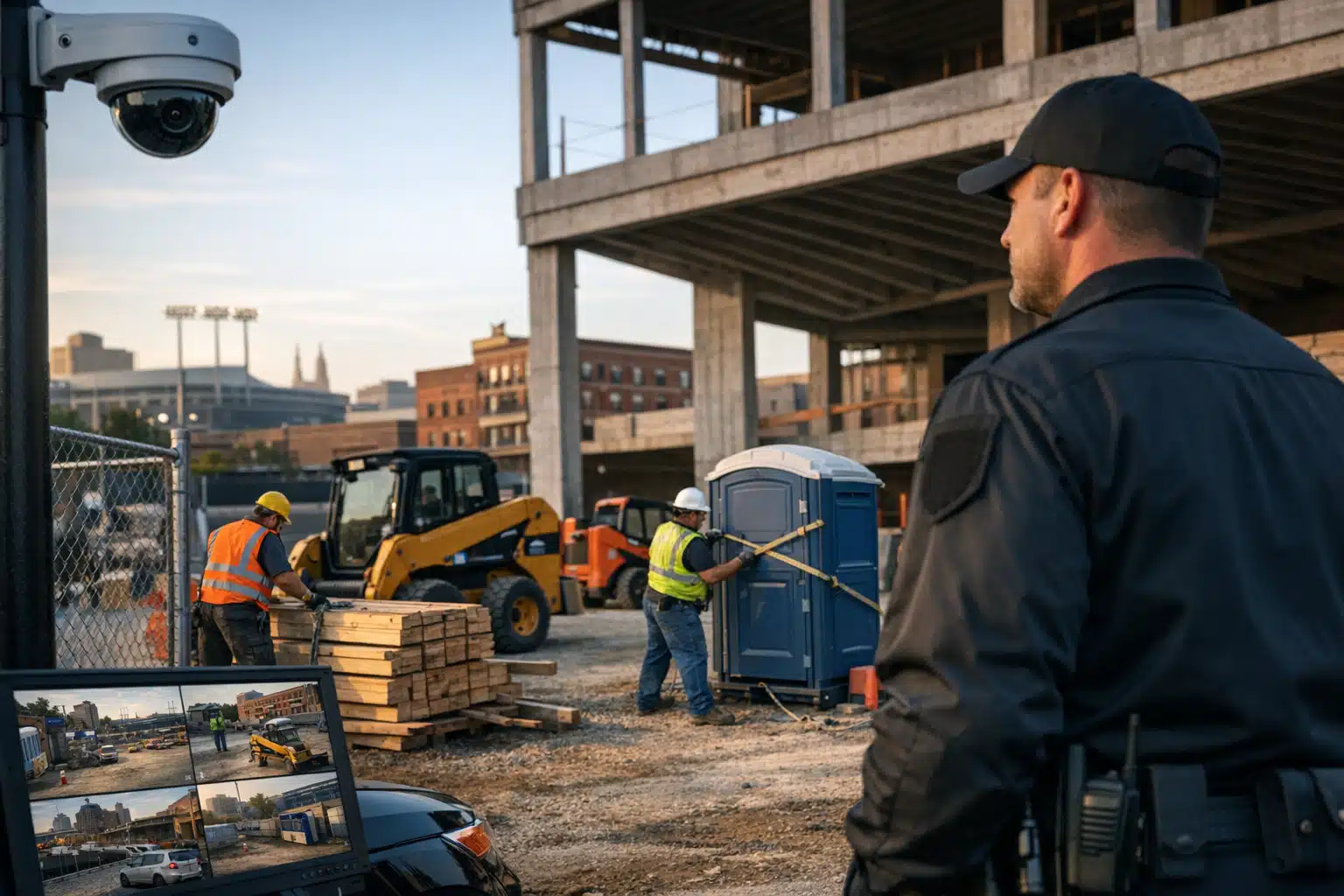
To strengthen security for construction sites in Kansas City during tornado season, implement measures such as securing materials and equipment, reinforcing structures against high winds, and establishing a comprehensive emergency plan. Additionally, consider installing surveillance systems and coordinating with local authorities to enhance overall site safety during severe weather events.
Why Tornado Season Changes the Math on Construction Site Security
Kansas City sits inside a region that averages dozens of tornado warnings each spring. Construction site security here means planning for 70 mph winds, flying debris, and the theft that follows every storm.
Missouri recorded 50 tornadoes in 2024 according to the National Weather Service. Jackson County alone saw multiple severe weather days that halted job sites across the metro.
When a storm clears, two problems hit at once. Equipment lies scattered, fences lean sideways, and opportunistic thieves move in before crews return. A strong plan accounts for both wind damage and the crime that trails it.
What Makes Kansas City Construction Sites Vulnerable in Spring
Open-frame structures catch wind like sails. A half-built apartment complex near the Crossroads or a parking structure going up in Overland Park presents acres of loose materials when May storms roll in.
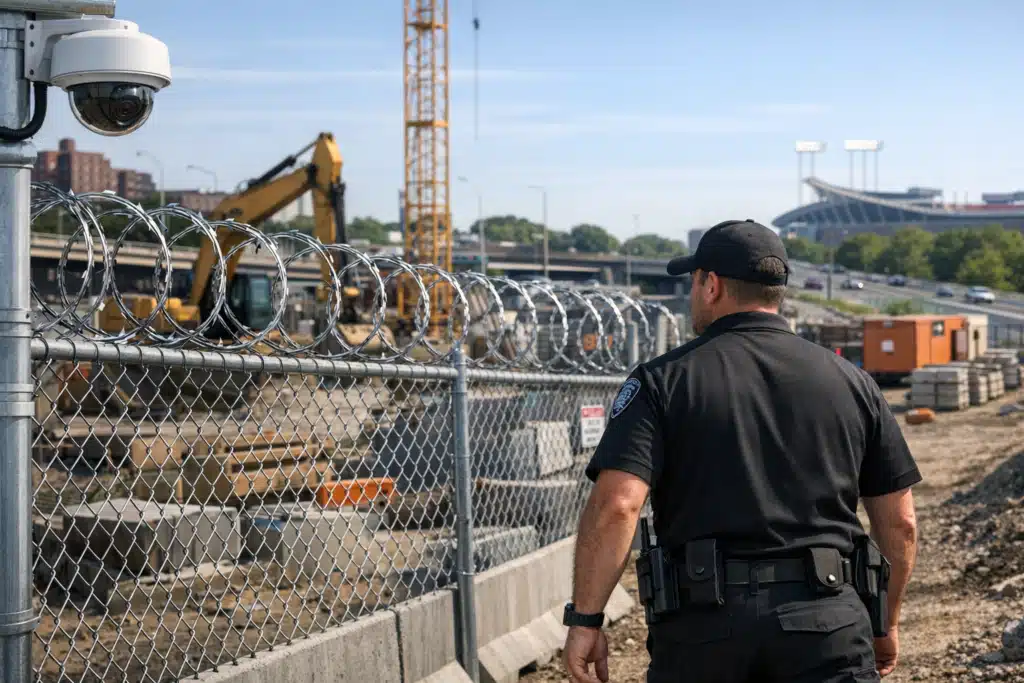
Copper wire, catalytic converters, and portable generators disappear fast after power outages. Thieves know insurance claims and chaos give them cover.
Common Post-Storm Losses on Local Job Sites
- Copper and wiring stripped from exposed walls
- Generators and compressors taken during blackouts
- Skid steers and mini-excavators driven off unsecured lots
- Lumber and metal stacks blown loose, then hauled away
- Diesel fuel siphoned from idle machines
Sites along I-35 and I-70 corridors face higher traffic exposure. Easy highway access lets thieves clear a lot in minutes.
How to Protect Your Kansas City Construction Site During Tornado Season
Follow these steps to reduce storm damage and theft on your job site. Each one addresses a specific gap that spring weather creates.
- Secure loose materials before forecasts turn. Strap down lumber, anchor portable toilets, and lower crane booms when 24-hour watches post.
- Move high-value equipment to interior zones. Park machines inside partial structures or behind permanent barriers, not along fence lines.
- Install remote video surveillance with battery backup. Cameras that stay live during outages catch theft when grid power fails.
- Stage a post-storm inspection plan. Assign a crew lead to document damage within hours, before claims and cleanup begin.
- Coordinate with on-site guards for storm windows. Guards verify tie-downs before severe weather and watch gaps after.
Remote Video Surveillance Built for Midwest Storms
Remote monitoring works when weather keeps guards off exposed lots. Cameras with cellular uplinks and battery reserves run even after a tornado knocks out local power.
Our monitoring agents watch Kansas City job sites in real time. When motion triggers after hours, agents verify the threat and dispatch police or trigger on-site audio warnings.
Features That Matter After a Storm
- Cellular connectivity that bypasses downed internet lines
- Battery or solar backup for multi-day outages
- Thermal detection that spots intruders in rain or darkness
- Two-way audio to warn trespassers off the lot
- Time-stamped footage that supports insurance claims
A contractor in the Power & Light District used recorded footage last spring to prove storm damage versus theft. That distinction changed the insurance payout entirely.
On-Site Guards During Severe Weather Windows
On-site guards add value in the hours around a storm. They verify tie-downs, check fence integrity, and stay reachable when conditions turn.
Trained guards know when to shelter and when to patrol. They do not stand in open lots during active warnings, but they return fast once winds drop.
What a Guard Does Before and After a Tornado Warning
- Confirms loose materials are strapped or stored
- Locks gates and checks perimeter lighting
- Shelters during the active warning period
- Patrols for damage and intrusion once clear
- Logs findings for site managers and insurers

 Posted on Google
Insurance, Documentation, and Kansas City Regulations
Missouri contractors carry builder’s risk policies that cover wind and theft. Claims move faster with dated footage and guard logs backing them up.
Document everything. A camera system that timestamps footage separates storm loss from criminal loss, which insurers treat differently.
Kansas and Missouri both require licensed security personnel for commercial sites. Verify any provider holds proper state credentials before signing.
Building a Year-Round Plan, Not a Spring Scramble
Tornado season peaks April through June, but theft runs all year. A plan set in March protects your site every month after.
Combine remote cameras, scheduled guard patrols, and clear storm protocols. Layered coverage closes the gaps that single measures leave open.
Review your site layout each season. As buildings rise, blind spots shift and camera angles need adjustment.
Protect Your Job Site Before the Next Warning Posts
Construction site security during tornado season demands planning for wind, theft, and the chaos between them. Layered monitoring and trained guards keep Kansas City job sites covered when storms hit.
Twin City Security Kansas City designs site assessments around local weather and crime patterns. Call 913‑831‑2525 or email Kansas@TwinCitySecurity.com for a monitoring quote built for your lot.
Sources
- National Weather Service – Kansas City/Pleasant Hill Forecast Office
- NOAA Storm Prediction Center – Tornado Climatology Data
- National Insurance Crime Bureau – Equipment Theft Reporting
Kansas City construction sites face unique security challenges during tornado season due to high winds and increased theft risks. A proactive security plan is essential to mitigate storm damage and deter opportunistic thieves.
- Construction sites are vulnerable during tornado season, with high winds and flying debris posing risks. Equipment and materials can be scattered or stolen after storms clear.
- Implementing security measures like remote video surveillance and on-site guards helps protect against theft and document damage.
- Planning should begin before tornado season to ensure all materials are secured and high-value equipment is protected from potential theft.
Recent Posts