
Enhancing Security in Kansas City’s Downtown Retail Spaces
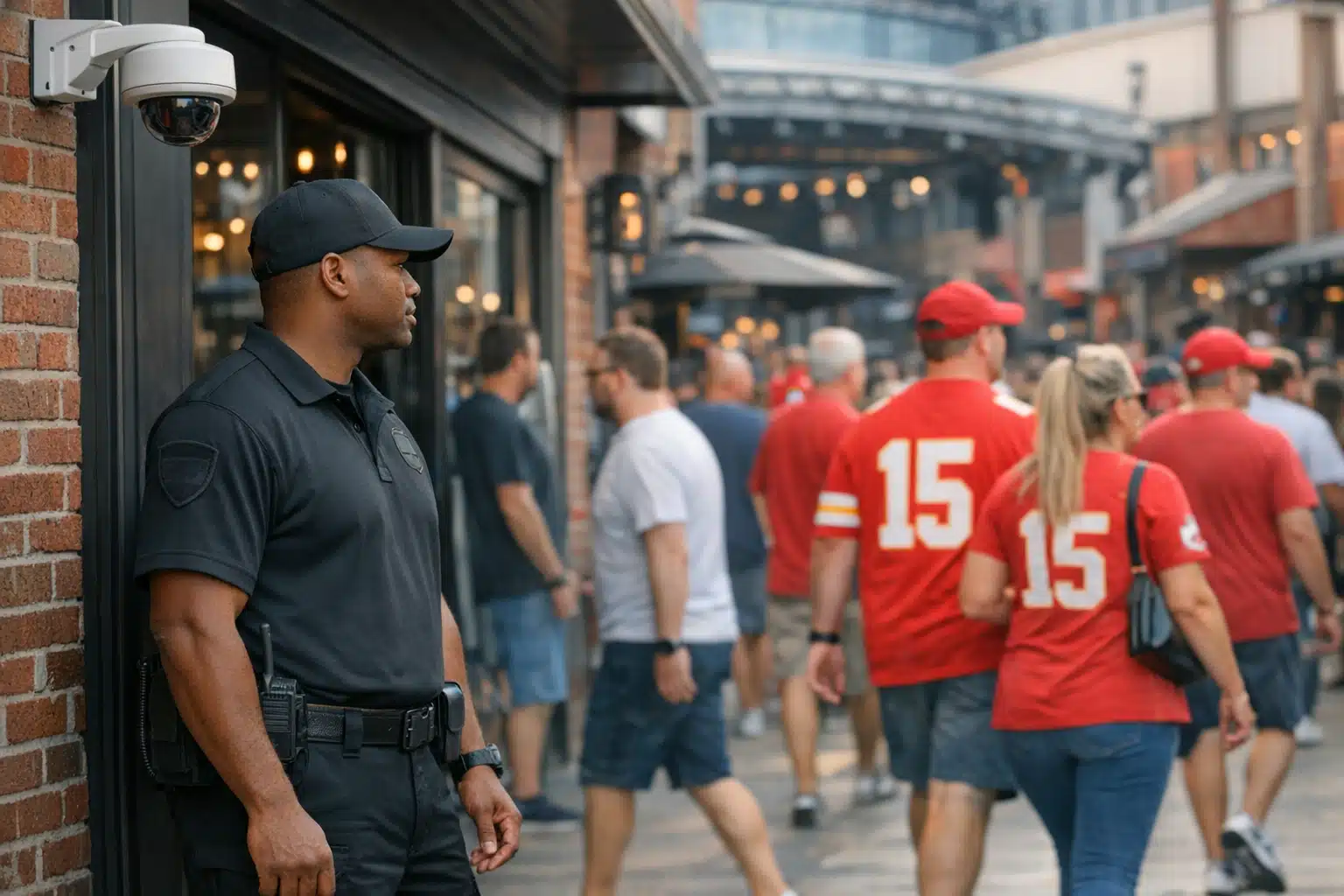
Enhancing security in Kansas City's downtown retail spaces involves implementing measures such as installing surveillance cameras, employing security personnel, and utilizing access control systems. These strategies help protect stores from theft and ensure a safe environment for both customers and employees, especially during busy events like game days.
Why Downtown Retail Security Matters for Kansas City Shops
Kansas City’s Power & Light District draws thousands of visitors on Chiefs and Royals game days. That foot traffic fills registers, but it strains store defenses.
Downtown retail security now ranks among the top concerns for shop owners from the Crossroads to the River Market. Shoplifting, smash-and-grab hits, and after-hours break-ins climb during high-event weekends.
This post breaks down the real risks Kansas City retailers face. It gives you steps to reduce loss and shows where trained guards and remote cameras fit.
The Specific Threats Facing Downtown Kansas City Retailers
Retail crime downtown does not spread evenly. It clusters around events, transit stops, and late-night entertainment zones.
Game-Day Crowd Surges
Sunday home games push tens of thousands of fans past storefronts near the T-Mobile Center and Power & Light. Large crowds create cover for organized theft groups.
Shops selling apparel, electronics, and liquor see the sharpest spikes. A crowded aisle lets a group grab and split before staff react.
Westport and Entertainment District Nights
Late-night activity near Westport brings intoxicated foot traffic past retail windows. Glass storefronts become targets for vandalism and forced entry after bars close.
Delivery and Loading Dock Exposure
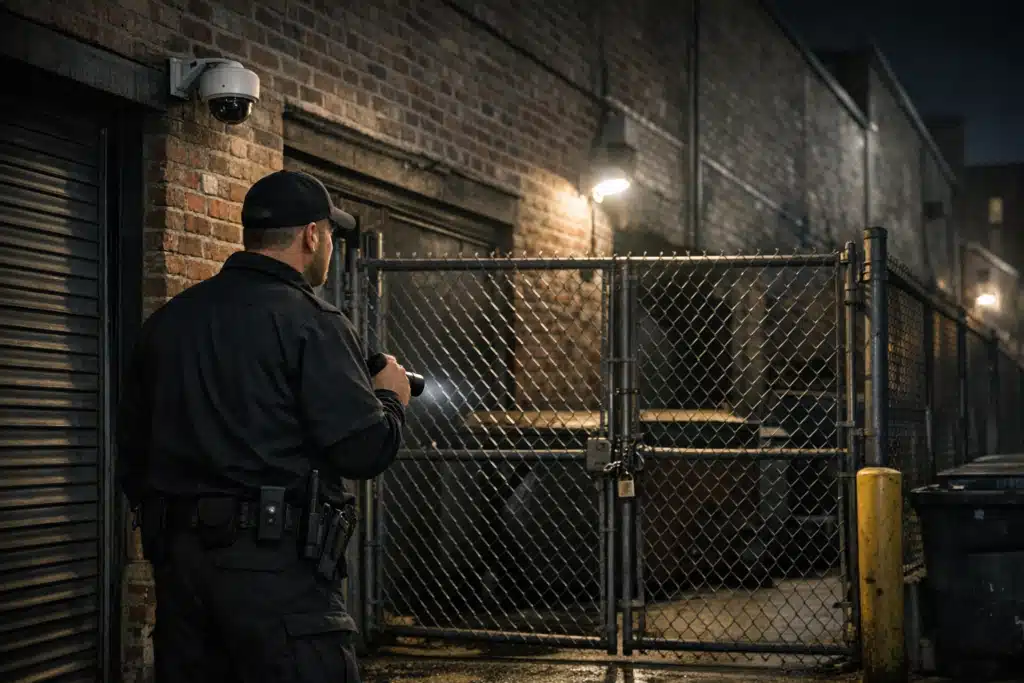
Many Crossroads and downtown shops occupy older buildings with rear alley access. Loading docks and back doors give thieves quiet entry points away from street view.
Weather-Driven Gaps
Midwest storms knock out power and trigger tornado warnings between March and June. When alarms drop offline and staff shelter, empty stores sit exposed.
How Downtown Retail Security Reduces Theft Losses
Strong retail protection layers people, cameras, and clear procedures. No single tool stops loss alone.
Effective theft prevention starts with visible deterrence and ends with fast response. Here is how the pieces work in a Kansas City storefront.
On-Site Security Guards
A uniformed guard at the entrance changes shoplifter behavior fast. Presence alone turns many stores into harder targets during peak hours.
Guards do more than stand watch. Trained officers:
- Greet customers and track suspicious movement
- Monitor fitting rooms and high-value displays
- Handle confrontations without escalating conflict
- Document incidents for police and insurance claims
- Cover opening and closing when staff are most vulnerable
Remote Video Surveillance
Remote monitoring watches your store when guards are off-site. Live operators view feeds in real time and act on threats as they unfold.
This model fits smaller Crossroads shops that cannot staff a guard every hour. Cameras with active monitoring catch break-ins before damage grows.
Access Control at Rear Entries
Lock down loading docks and alley doors with keypad or badge systems. Restrict rear access to verified staff and scheduled deliveries only.
A Step-by-Step Plan to Protect Your Downtown Store
Follow this order to close the widest gaps first. Each step builds on the last.
- Map your weak points. Walk your store and note blind corners, unlit exteriors, and unmonitored back doors.
- Schedule a security assessment. Have a local firm review crime patterns for your block and event calendar.
- Add visible deterrents. Post camera signage, brighten entrances, and place staff near exits.
- Staff guards on event days. Match guard coverage to Chiefs, Royals, and Sporting KC home schedules.
- Install monitored cameras. Cover registers, exits, stockrooms, and rear docks with recorded, watched feeds.
- Set storm protocols. Plan how alarms and monitoring stay active during power loss and tornado warnings.
- Review incidents monthly. Track what happens, adjust coverage, and close repeat gaps.
Matching Security Coverage to Kansas City’s Event Calendar
Downtown crime risk rises and falls with the schedule. Smart retailers plan coverage around known surge dates.
Sports and Concert Nights
Add guard hours for home games and T-Mobile Center concerts. These events pull dense crowds past storefronts for hours before and after.
First Fridays in the Crossroads
First Fridays flood the Crossroads Arts District with gallery-goers and vendors. Retailers open late should staff extra eyes on doors and displays.
Holiday Shopping Weekends
Black Friday and December weekends bring the year’s heaviest traffic. Register lines and packed aisles give thieves the most cover.

 Posted on Google
Missouri and Kansas Rules Retailers Should Know
Security staffing crosses state lines in the metro area. A shop in downtown Kansas City, Missouri follows different licensing rules than one in Overland Park, Kansas.
Missouri regulates guard licensing at the city level in Kansas City. Kansas handles private officer standards under state law. Work with a firm licensed for both sides of the state line.
Shopkeeper’s privilege laws in Missouri let retailers detain suspected shoplifters under narrow conditions. Trained guards know these limits and act within them to avoid liability.
How Twin City Security Kansas City Protects Downtown Retailers
We staff licensed guards and run remote monitoring across the Kansas City metro. Our officers know the difference between a game-day crowd and a coordinated theft crew.
We build coverage around your block, your hours, and the local event calendar. That means the right presence on Chiefs Sundays and quiet Tuesday afternoons alike.
Our remote surveillance keeps watch when a full-time guard does not fit your budget. Live operators respond to alarms, break-ins, and after-hours activity in real time.
Conclusion
Downtown Kansas City retailers face event surges, alley break-ins, and storm-season gaps that generic advice ignores. Layering trained guards, monitored cameras, and clear storm protocols cuts theft losses across the Power & Light District, Westport, and the Crossroads.
Contact Twin City Security Kansas City for a store assessment or monitoring quote. Call 913‑831‑2525, email Kansas@TwinCitySecurity.com, or visit https://www.twincitysecuritykansascity.com.
Sources
- Kansas City Missouri Police Department – Crime Statistics
- National Retail Federation – National Retail Security Survey
- National Weather Service – Kansas City/Pleasant Hill Forecast Office
- Missouri Revisor of Statutes – Shopkeeper’s Privilege (Section 537.125)
Downtown retail security is a pressing concern for Kansas City shop owners due to increased risks from crime during high-traffic events. This article outlines specific threats and offers strategies for reducing theft losses.
- Retail crime spikes around events, transit stops, and nightlife, making shops vulnerable to theft.
- On-site security guards and remote video surveillance are effective deterrents against shoplifting and break-ins.
- Retailers should align security measures with local event calendars to address varying crime risks.
Recent Posts