
Preparing Your Kansas City Office Building for a Safe Summer
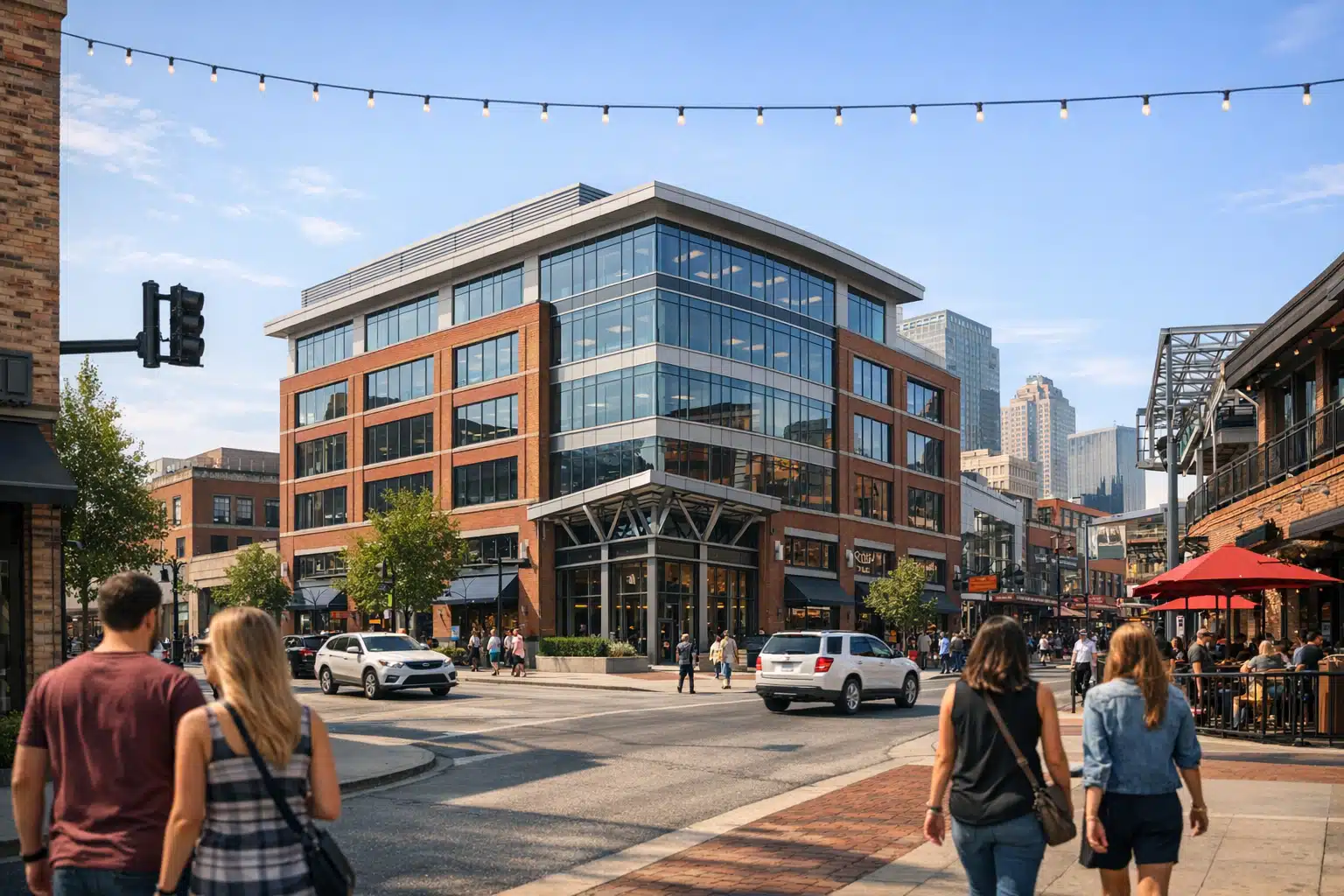
Kansas City office buildings encounter several summer safety challenges, including a significant rise in break-ins, which increased by 15% in 2023. Factors such as longer daylight hours, severe weather, and staffing shortages during vacations contribute to these vulnerabilities, necessitating focused security strategies to protect these properties.
Kansas City office buildings face unique summer safety challenges that extend far beyond typical air conditioning concerns. During the summer of 2023, Kansas City recorded a 15% spike in commercial property break-ins between June and August, with office buildings accounting for nearly 40% of these incidents. The combination of extended daylight hours, severe weather patterns, and vacation-related staffing shortages creates specific vulnerabilities that require targeted office building security strategies.
Summer preparation for Kansas City office properties demands more than checking HVAC systems. It requires a comprehensive security assessment that accounts for tornado season protocols, increased foot traffic from nearby entertainment districts, and the unique crime patterns that emerge during Missouri’s hottest months.
Understanding Kansas City’s Summer Security Landscape
Kansas City’s summer crime statistics reveal patterns that directly impact office building owners and property managers. Office building security incidents peak during July and August, coinciding with several local factors.
The Power & Light District and Crossroads Arts District experience 300% higher pedestrian traffic during summer months. This increased activity creates both opportunities and risks for nearby office properties. Buildings within a six-block radius of entertainment venues report higher incidents of vandalism, unauthorized entry attempts, and parking lot theft.
Weather-Related Security Vulnerabilities
Kansas City’s severe weather season runs from April through September, with peak tornado activity occurring during late spring and early summer. Office buildings must prepare for weather-related security challenges that other regions rarely face.
Severe thunderstorms can disable electronic access controls, security cameras, and alarm systems. Power outages lasting 4-8 hours are common during summer storm seasons, leaving buildings vulnerable during critical periods.
Implementing Comprehensive Office Building Security for Summer Challenges
Effective summer security preparation requires addressing both seasonal crime trends and weather-related vulnerabilities specific to the Kansas City area.
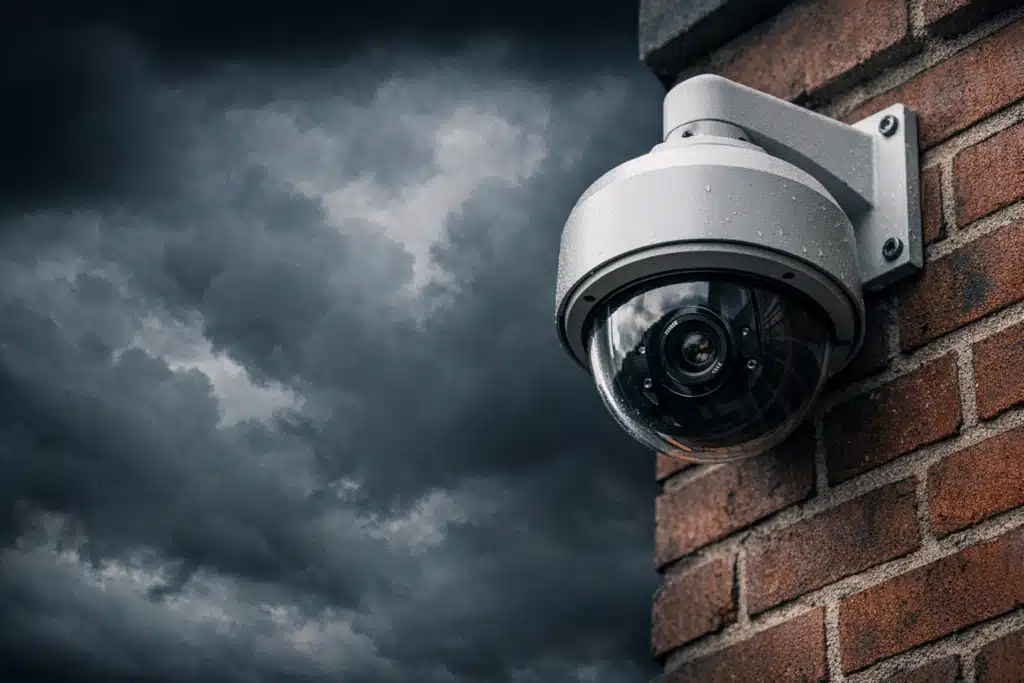
Access Control System Weatherization
Kansas City’s summer heat and humidity can cause electronic lock failures and card reader malfunctions. Temperatures regularly exceed 95°F with humidity levels above 70%, creating conditions that stress security hardware.
- Install weather-resistant card readers rated for temperatures up to 120°F and humidity levels of 90%
- Upgrade to battery backup systems that maintain access control during 8+ hour power outages
- Schedule monthly maintenance checks for all exterior security hardware during June, July, and August
- Test emergency lockdown procedures before tornado season peaks in May
Video Surveillance Adaptations
Summer’s extended daylight hours and frequent severe weather require specific camera system adjustments for Kansas City office buildings.
Daylight extends until 8:30 PM during peak summer months, shifting traditional security monitoring schedules. Many office buildings experience their highest risk periods during late evening hours when natural lighting creates visibility challenges for standard cameras.
- Upgrade exterior cameras to handle extreme heat cycles that range from 70°F at dawn to 100°F+ by afternoon
- Install surge protection for all surveillance equipment to prevent lightning damage during severe storms
- Add infrared capability for parking areas where late-evening activities peak during summer months
- Implement cloud-based backup storage to protect footage during weather-related equipment failures
Addressing Kansas City’s Summer Crime Patterns
Local crime data shows distinct summer patterns that affect office building security planning. Understanding these trends allows property managers to allocate resources more effectively.
Parking Lot and Vehicle-Related Incidents
Office building parking lots experience 60% more vehicle break-ins during Kansas City’s summer months. The combination of outdoor events, Chiefs training camp activities, and increased tourism creates higher-value targets in office district parking areas.
Vehicle thefts peak between 6 PM and 10 PM during summer months, when many office buildings operate with reduced security presence but still have vehicles in parking areas.
- Increase parking lot patrol frequency during evening hours throughout summer
- Install motion-activated lighting that responds to activity in parking areas
- Post visible security signage indicating 24/7 surveillance and monitoring
- Coordinate with local KCPD patrol units to increase visibility during peak crime hours
HVAC and Rooftop Security
Copper theft from HVAC systems increases dramatically during Kansas City summers, with office buildings particularly vulnerable due to extensive rooftop equipment. The high value of copper combined with reduced building occupancy creates attractive targets for thieves.
Rooftop access during summer months also poses unique risks, as extreme heat can disable standard motion detectors and create blind spots in camera coverage.
Emergency Preparedness for Severe Weather Events
Kansas City office buildings must prepare for weather emergencies that can occur with minimal warning during summer months. Summer safety protocols should address both immediate security needs and post-storm vulnerabilities.
Tornado and Severe Storm Protocols
The Kansas City metro area averages 14 tornadoes per year, with peak activity occurring from April through July. Office buildings require specific security measures that function during and after severe weather events.
Tornado damage often compromises building security for days or weeks after the initial event. Broken windows, damaged doors, and disabled alarm systems create extended vulnerability periods that criminals may exploit.
- Develop weather-specific lockdown procedures that secure all building access points within 10 minutes of severe weather warnings
- Install battery-powered emergency lighting in all critical security areas including stairwells and parking structures
- Create post-storm security assessment checklists to identify and address immediate vulnerabilities
- Establish relationships with emergency security providers who can respond within 2 hours of weather events
Power Outage Security Measures
Kansas City experiences an average of 12 power outages per summer that last longer than 4 hours. These extended outages create significant security vulnerabilities for office buildings that rely on electronic systems.
During the July 2023 heat wave, some Kansas City office buildings lost power for 18+ hours, requiring manual security protocols and emergency staffing arrangements.

 Posted on Google
Staffing and Personnel Considerations for Summer Security
Summer vacation schedules and increased building activity require adjusted security staffing approaches for Kansas City office properties.
Managing Reduced Staff Periods
Many office buildings operate with 30-40% reduced occupancy during peak vacation months of June and July. This reduced occupancy creates both security risks and opportunities for enhanced protection measures.
Buildings with fewer occupants require more robust perimeter security but benefit from simplified internal monitoring. The key lies in adjusting security protocols to match actual building usage patterns.
- Increase exterior patrol frequency during low-occupancy periods
- Implement visitor escort policies when regular staff levels are reduced
- Schedule security system testing during low-occupancy summer periods
- Cross-train multiple staff members on emergency security procedures
Technology Solutions for Kansas City Summer Challenges
Modern security technology offers specific solutions for the unique challenges Kansas City office buildings face during summer months.
Remote Monitoring Capabilities
Professional remote monitoring services provide continuous oversight during summer’s challenging conditions. These systems offer particular value during severe weather events when on-site security may be temporarily unavailable.
Remote monitoring can detect security breaches, environmental hazards, and equipment failures 24/7, providing immediate response regardless of weather conditions or staffing levels.
Integrated Communication Systems
Summer emergencies often require rapid communication between building management, security personnel, and emergency responders. Integrated systems ensure clear communication channels even during power outages or severe weather.
Modern systems include backup communication methods that function during cellular network overload, which commonly occurs during severe weather events in the Kansas City area.
Preparing Your Building for Summer Success
Effective summer security preparation requires understanding Kansas City’s unique challenges and implementing targeted solutions. The combination of severe weather, increased crime rates, and seasonal staffing changes demands a comprehensive approach to office building security.
Start your summer security preparation in early May to address all potential vulnerabilities before peak challenge periods begin. Professional security assessments can identify specific risks and recommend targeted solutions for your property.
For a comprehensive security assessment tailored to your Kansas City office building’s summer safety needs, contact Twin City Security Kansas City at 913‑831‑2525 or Kansas@TwinCitySecurity.com. Our local expertise ensures your property remains protected throughout Kansas City’s challenging summer season.
Sources
- FBI Uniform Crime Reporting Program – Property Crime Statistics
- National Weather Service – Kansas City Climate Data
- NOAA Storm Prediction Center – Tornado Statistics
- Department of Homeland Security – Building Security Guidelines
Kansas City office buildings must prepare for summer safety challenges that include increased crime and severe weather. A thorough security assessment is essential to address vulnerabilities specific to the region during this season.
- Kansas City saw a 15% rise in commercial property break-ins during summer 2023, with office buildings being significantly affected. Security incidents peak in July and August, coinciding with increased foot traffic from local entertainment districts.
- Severe weather, including tornadoes and thunderstorms, poses unique risks, often disabling security systems and creating vulnerabilities. Buildings should implement weather-specific protocols and enhance their security hardware to withstand summer conditions.
- Staffing changes during summer vacations necessitate adjusted security measures, including increased patrols and visitor escort policies. Utilizing modern technology for remote monitoring can help maintain security during low-occupancy periods.
Recent Posts