
How to Ensure Safety for Kansas City’s Industrial Parks
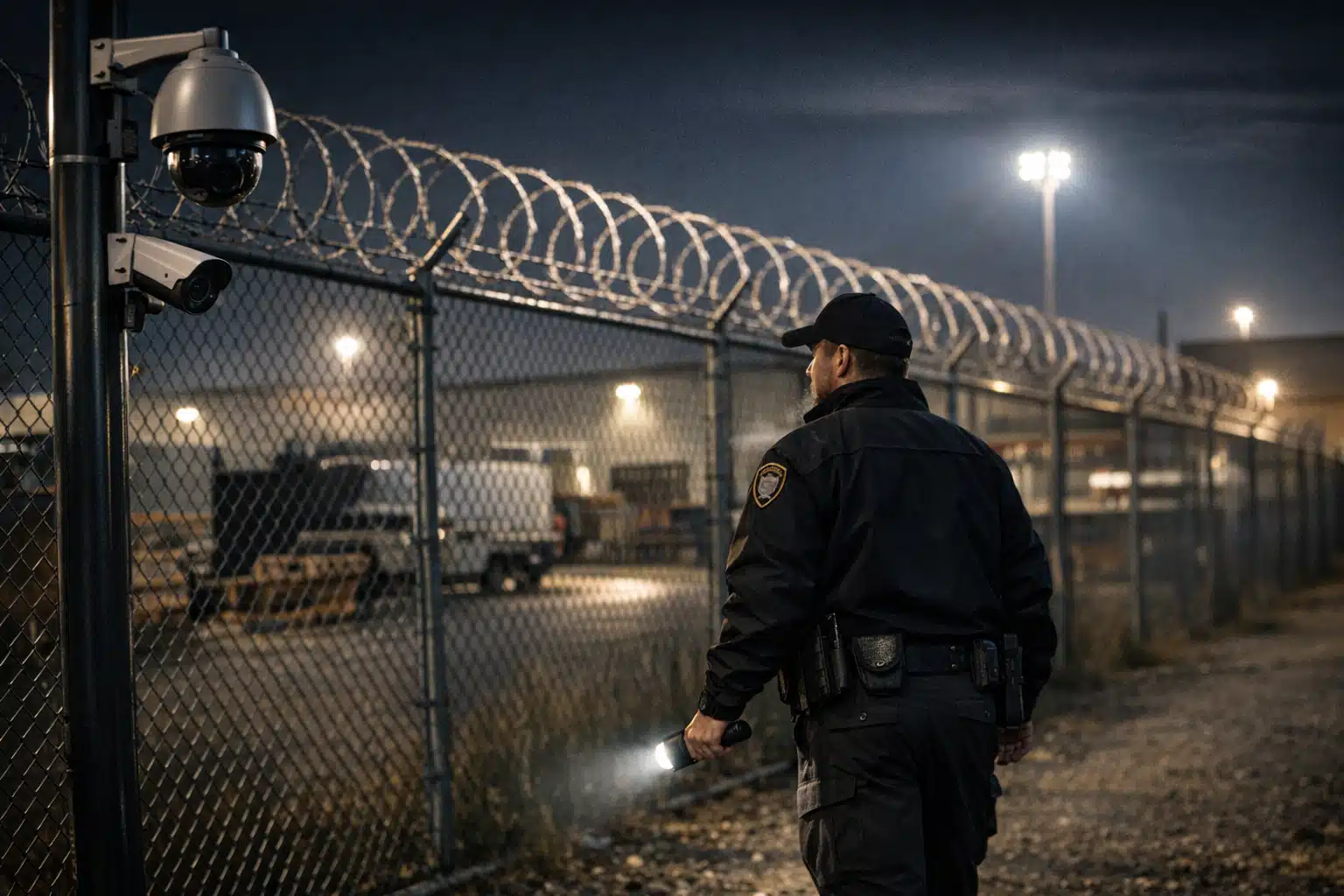
To ensure safety for industrial parks in Kansas City, it is important to implement comprehensive security measures, including surveillance systems, regular safety audits, and employee training programs. Collaboration with local law enforcement and emergency services can also enhance safety protocols, creating a secure environment for businesses and their workers.
Why Industrial Park Security Matters in Kansas City
Kansas City sits at the center of a freight and logistics corridor. Interstates 35, 70, and 435 feed millions of square feet of warehouse and manufacturing space.
That access cuts both ways. The same highways that move product also give thieves fast exit routes from industrial zones.
Industrial park security protects high-value inventory, heavy equipment, and copper wiring across sites in areas like the Executive Park, Hunt Midwest SubTropolis, and the industrial districts near the Kansas City International Airport.
Metal theft and cargo loss hit these properties hard. A single stripped electrical panel can shut down operations for days.
Common Threats Facing Kansas City Industrial Parks
Industrial parks face risks that retail storefronts never see. The property sizes are larger, the perimeters longer, and the after-hours staff thinner.
Metal and Copper Theft
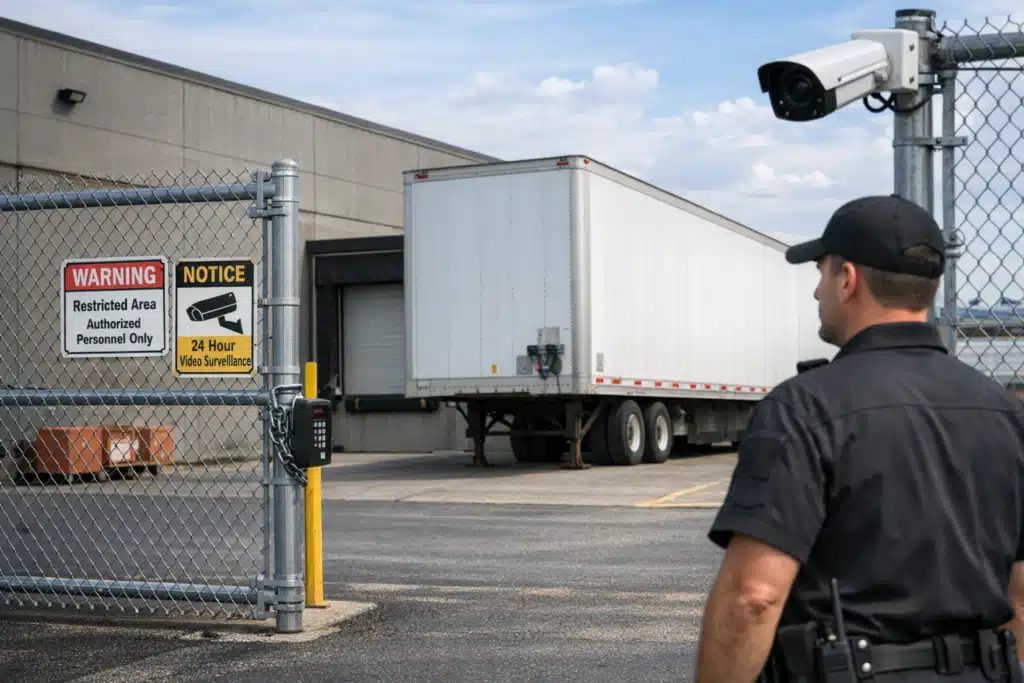
Copper prices keep catalytic converters, wiring, and HVAC units on thieves’ target lists. Missouri scrap yards must record seller information, yet theft continues.
Industrial sites store exposed wiring and spare metal in yards. Thieves cut fences at night and load trucks within minutes.
Cargo and Inventory Loss
Trailers parked overnight attract organized cargo theft crews. A loaded trailer near the SubTropolis or airport corridor can vanish before dawn.
Unattended loading docks rank among the top loss points for warehouse operators.
Equipment and Fuel Theft
Forklifts, generators, and fuel tanks draw repeat offenders. Diesel siphoning spikes when fuel prices climb.
Trespassing and Vandalism
Vacant lots and low foot traffic invite graffiti, squatting, and break-ins. Idle buildings between tenants carry the highest risk.
Core Safety Measures for Industrial Park Protection
Strong protection starts with layers. No single camera or guard covers a 50-acre site alone.
Use these layered safety measures to build coverage from the fence line inward:
- Perimeter control — fencing, gates, and clear sightlines along property edges.
- Access management — gate credentials, visitor logs, and controlled entry points.
- Remote video surveillance — monitored cameras with motion analytics.
- On-site guards — mobile patrols and fixed posts for high-value zones.
- Lighting — motion-activated and fixed lighting across blind spots.
Each layer slows an intruder. Together they create enough delay for response teams to act.
How Remote Video Surveillance Protects Large Sites
Remote video surveillance watches wide perimeters without placing a guard at every corner. Trained operators monitor live feeds from off-site centers.
When a camera detects movement after hours, an operator verifies the threat. They can trigger voice-down warnings over speakers.
Why This Works for Industrial Parks
Industrial lots stretch across acres with few workers at night. Cameras cover ground that foot patrols cannot reach fast enough.
- Live voice warnings stop intruders before theft occurs.
- Verified alarms cut false dispatches and police response delays.
- Recorded footage supports prosecution and insurance claims.
- 24/7 coverage fills gaps between guard shifts.
Camera analytics flag a person climbing a fence yet ignore a passing raccoon. That accuracy keeps response focused on real events.
On-Site Security Guards for Industrial Facilities
Guards add a physical response that cameras cannot. A marked patrol vehicle deters crews scouting for easy targets.
What Guards Handle on Industrial Sites
- Gate checks for arriving trucks and contractors.
- Trailer seal inspections at loading docks.
- Mobile patrols across yards and parking areas.
- Emergency response for fire, medical, or weather events.
A guard who knows the regular drivers spots the unfamiliar one fast. That local familiarity catches problems early.
Preparing Industrial Parks for Midwest Weather
Kansas City tornado season runs from March into June. Severe storms knock out power and disable unmonitored alarm systems.
Industrial parks need plans for both the storm and the aftermath. Looters target damaged buildings once power fails.
Weather Readiness Steps
- Backup power for cameras and gate systems during outages.
- Battery or cellular alarm backups when lines go down.
- Post-storm patrols to secure damaged entry points.
- Clear evacuation routes marked for site workers.
Ice storms bring their own risk. Frozen gates and blocked roads slow emergency access across wide industrial lots.

 Posted on Google
Access Control Strategies That Reduce Loss
Access control decides who enters and when. On a multi-tenant industrial park, this step prevents most unauthorized entries.
Practical Access Methods
- Credentialed gate entry with key cards or codes per tenant.
- License plate recognition at main entrances.
- Visitor and contractor logs tied to scheduled deliveries.
- Restricted zones for high-value storage and fuel.
Pair access logs with camera footage. When inventory goes missing, you match entry records to the timeline fast.
Building a Security Plan for Your Kansas City Facility
A strong plan starts with a site walk. Every industrial park has its own weak points and traffic patterns.
Steps to Assess Your Site
- Map the perimeter and mark fence gaps or blind corners.
- Identify high-value assets like trailers, metal, and equipment.
- Review incident history from past thefts or trespassing.
- Rate lighting coverage across yards and docks at night.
- Set response protocols for alarms and after-hours alerts.
Share this assessment with a local security provider. They match coverage to your actual risk, not a generic template.
Why Local Knowledge Matters
Kansas City crews work across both Missouri and Kansas regulations. Scrap metal rules, trespassing statutes, and licensing differ by state line.
A provider who knows the Northland warehouse corridor responds differently than one covering Overland Park office parks. Local teams reach sites faster and read the area better.
Twin City Security Kansas City staffs guards and monitoring operators familiar with the metro’s industrial zones.
Protect Your Industrial Park Today
Industrial park security works best as layered coverage: perimeter control, remote monitoring, guards, and weather planning. Each layer buys time and cuts loss.
Kansas City operators who combine these safety measures see fewer break-ins and faster response. Start with a site assessment built for your property.
Contact Twin City Security Kansas City at 913‑831‑2525 or email Kansas@TwinCitySecurity.com for an industrial park assessment and monitoring quote. Visit https://www.twincitysecuritykansascity.com to learn more.
Sources
- FBI – Cargo Theft
- National Weather Service – Kansas City/Pleasant Hill Forecast Office
- Missouri Department of Revenue – Scrap Metal Regulations
- Kansas City Missouri Police Department – Crime Data
Industrial park security in Kansas City is essential to protect valuable assets from theft and vandalism. With the city's strategic location, effective security measures can significantly reduce risks and enhance safety.
- Industrial parks face unique threats like metal theft and cargo loss due to their size and low staffing after hours. Security measures must include perimeter control and access management.
- Remote video surveillance and on-site guards provide comprehensive coverage, deterring intruders and enabling quick responses to incidents.
- Weather preparedness is crucial, as severe storms can compromise security systems and attract looters. Backup power and clear evacuation routes are necessary for safety.
Recent Posts