
Security Strategies for Protecting Kansas City’s Historic Landmarks
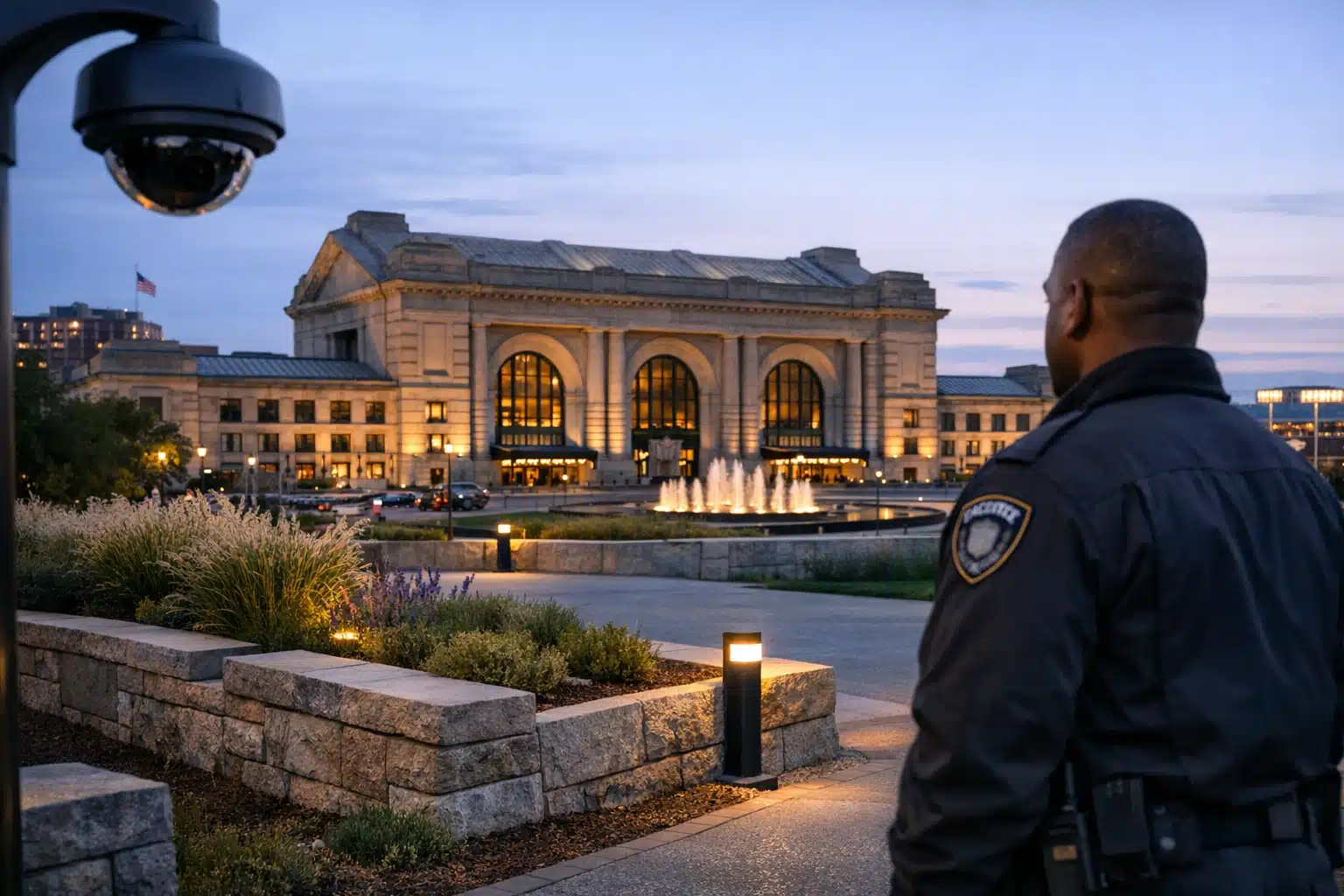
Security strategies for protecting Kansas City's historic landmarks involve tailored approaches that address their unique architectural features and heritage preservation needs. These strategies must balance public access with the necessity of safeguarding these sites, which experience higher vandalism rates compared to standard properties.
Kansas City landmarks face 23% higher vandalism rates than standard commercial properties according to municipal crime data. Historic sites like Union Station, Liberty Memorial, and 18th & Vine Jazz District require specialized historic landmark security approaches that balance public access with asset protection. These cultural treasures demand security strategies designed around their architectural constraints and heritage preservation requirements.
This post outlines proven security methods for protecting Kansas City’s most valued historic properties. Property managers and facility directors will learn specific techniques that protect cultural assets without compromising visitor experience.
Understanding Historic Landmark Security Vulnerabilities
Historic landmarks present security challenges that modern buildings don’t face. Original architecture often lacks modern security infrastructure. Aging electrical systems cannot support contemporary surveillance equipment without costly upgrades.
Kansas City’s historic properties experience three main security threats:
- Vandalism and graffiti – External walls and monuments become targets during late-night hours
- Theft of fixtures and artifacts – Original hardware, decorative elements, and displayed items attract thieves
- Unauthorized access – Multiple entry points and aging locks create access control problems
Weather compounds these issues. Missouri’s severe storms and tornado seasons can damage existing security systems. Flooding risks near the Missouri River threaten ground-level security equipment at waterfront landmarks.
Physical Security Measures for Historic Properties
Perimeter Protection Without Visual Impact
Historic landmarks cannot install standard chain-link fencing or concrete barriers. Security measures must remain invisible while maintaining effectiveness. Landscape-integrated barriers work best for these sites.
Hidden beam sensors detect perimeter breaches without visible equipment. These systems mount inside existing architectural features like decorative walls or garden borders. Motion-activated lighting appears as accent lighting during normal hours.
Access Control for Multiple Entry Points
Many Kansas City landmarks feature numerous doors and windows from their original construction. The Folly Theater downtown contains twelve separate entrances from its 1900s design. Each access point requires individual security assessment.
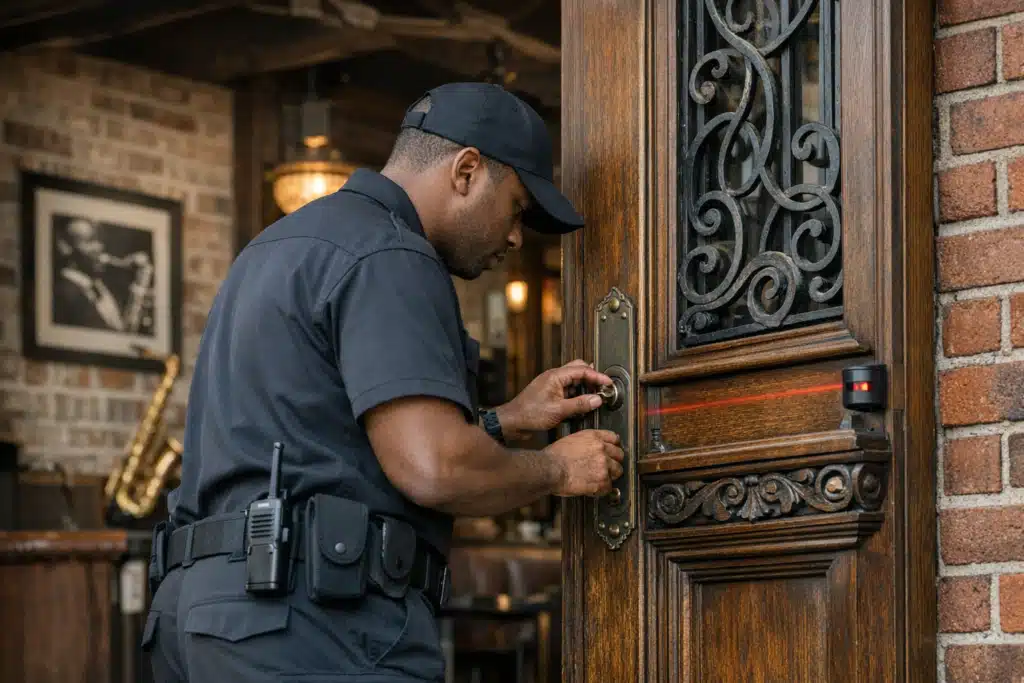
Card reader systems work better than traditional key locks for historic properties. Staff can grant temporary access to contractors and maintenance teams. Lost or stolen cards deactivate immediately without rekeying antique door hardware.
Remote Surveillance Systems for Heritage Sites
Modern security cameras must integrate discretely into historic architecture. Visible security equipment can detract from a landmark’s historical authenticity and visitor experience.
Camera Placement Strategies
Strategic camera positioning covers critical areas while maintaining aesthetic appeal:
- Hide cameras within existing fixtures – Mount units inside period-appropriate light fixtures or architectural details
- Use natural camouflage – Position cameras behind landscaping or within decorative elements
- Focus on choke points – Monitor main entrances, stairways, and corridor intersections rather than every room
- Protect valuable displays – Direct coverage toward artifact cases, artwork, and irreplaceable items
Wireless vs. Wired Systems
Wireless cameras avoid damaging historic walls with new wiring. Battery-powered units work in areas without accessible electrical connections. Solar charging options suit outdoor monuments and garden areas.
Wired systems provide more reliable power and data transmission. Existing conduit from previous electrical work can often accommodate new security wiring. Historic buildings with updated electrical systems can support wired cameras more easily.
Staffing Considerations for Historic Landmark Security
Security guards at historic landmarks need specialized training beyond standard protocols. They must understand the historical significance of their assigned location. Guards should know which items cannot be touched and which areas require restricted access.
Visitor Interaction Training
Historic landmark guards serve as both security personnel and informal ambassadors. They answer visitor questions about the building’s history while maintaining security awareness. This dual role requires guards with strong communication skills and historical knowledge.
Guards must balance friendly visitor service with firm security enforcement. They need clear guidelines about when to approach suspicious behavior versus when to observe and report.
Emergency Response Protocols
Historic buildings require modified emergency procedures. Fire suppression systems may use water that can damage artifacts. Evacuation routes might include narrow stairways or limited exits from original construction.
Security staff need specific training for medical emergencies in historic settings. Ambulance access may be limited by narrow doorways or stairs. Guards should know the fastest routes for emergency responders to reach any area of the building.
Weather-Related Security Challenges
Kansas City’s severe weather patterns create specific security vulnerabilities for historic landmarks. Tornado season runs from April through June when outdoor events and tourism peak. Security systems must function during power outages and communication disruptions.
Storm-Resistant Equipment
Outdoor security cameras need weather-resistant housing rated for Missouri’s climate extremes. Temperature ranges from below zero in winter to over 100 degrees in summer. High winds during storms can damage improperly mounted equipment.
Backup power systems keep security equipment operational during outages. Battery backup units provide short-term power for essential cameras and sensors. Generator systems can maintain full security operations during extended outages.
Flood Protection Measures
Properties near the Missouri River face flooding risks during heavy rain periods. Ground-level security equipment needs elevation or waterproof housing. Electrical connections require GFCI protection and elevated mounting.
Communication systems should include cellular backup when landline phones fail. Radio communication between guards and central monitoring remains functional when other systems go down.

 Posted on Google
Coordinating with Local Law Enforcement
Historic landmarks benefit from established relationships with Kansas City Police Department. Regular police patrols deter criminal activity during vulnerable overnight hours. Officers should know the property layout and emergency contact procedures.
Shared communication protocols help during incidents. Security guards should know when situations require immediate police response versus internal handling. Clear escalation procedures prevent confusion during emergencies.
Special Event Security Coordination
Historic landmarks frequently host weddings, corporate events, and public celebrations. These events require temporary security modifications and additional staffing. Coordination with police helps manage traffic and crowd control.
Event security plans should account for increased visitor numbers and after-hours access. Temporary lighting and barriers may be needed for outdoor events. Additional guards help monitor valuable items during events with alcohol service.
Budget Considerations for Historic Landmark Security
Security costs for historic properties often exceed modern building expenses. Specialized equipment and installation requirements increase upfront costs. Ongoing maintenance for systems integrated into aging infrastructure requires experienced technicians.
Grant funding may offset security improvement costs. Historic preservation organizations and government programs sometimes fund security upgrades. Insurance premium reductions can help justify security system investments.
Cost-Effective Security Strategies
Phased security improvements spread costs over multiple budget cycles. Start with the most vulnerable areas and expand coverage gradually. Remote monitoring can reduce staffing costs while maintaining protection levels.
Shared security services work for multiple historic properties under single management. Economies of scale reduce per-property costs for monitoring and guard services.
Technology Integration Without Historic Disruption
Modern security technology must integrate seamlessly into historic settings. Smart sensors can hide within existing architectural elements. Wireless communication prevents the need for visible cables or equipment boxes.
Mobile Monitoring Capabilities
Property managers need remote access to security systems from any location. Mobile apps allow real-time monitoring of cameras and alarms. Push notifications alert managers to incidents requiring immediate attention.
Cloud-based storage protects security footage even if on-site equipment is damaged or stolen. Remote backup systems maintain evidence for insurance claims and law enforcement investigations.
Historic landmark security requires balancing heritage protection with modern security needs. Specialized equipment, trained personnel, and weather-resistant systems protect Kansas City’s cultural treasures. Property managers who invest in appropriate security measures safeguard irreplaceable historical assets for future generations.
Twin City Security Kansas City specializes in historic landmark protection throughout the metro area. Our team understands the balance between security effectiveness and historical preservation. Contact us at Kansas@TwinCitySecurity.com or 913-831-2525 for a customized security assessment of your historic property.
Sources
- National Park Service – Security for Historic Structures
- FBI – Crime Against Cultural Heritage
- FEMA – Protecting Historic Properties from Natural Hazards
- National Archives – Emergency Response Guidelines for Cultural Institutions
Kansas City’s historic landmarks require specialized security strategies due to their unique vulnerabilities and higher vandalism rates. This post provides insights into effective methods for protecting these cultural treasures while maintaining public access.
- Kansas City landmarks face 23% higher vandalism rates than standard properties, necessitating tailored security measures. Historic sites like Union Station and Liberty Memorial need strategies that respect their architectural integrity. Effective security involves discreet technology, trained personnel, and weather-resistant systems to safeguard these irreplaceable assets.
- Kansas City landmarks face 23% higher vandalism rates than standard [...] Kansas City landmarks face 23% higher vandalism rates than standard commercial properties according to municipal crime data.
- Historic sites like Union Station, Liberty Memorial, and 18th & Vine Jazz District require specialized historic landmark security approaches that balance public access with asset protection.
Recent Posts