
Why Remote Surveillance is Essential for Kansas City’s Apartment Complexes in 2026
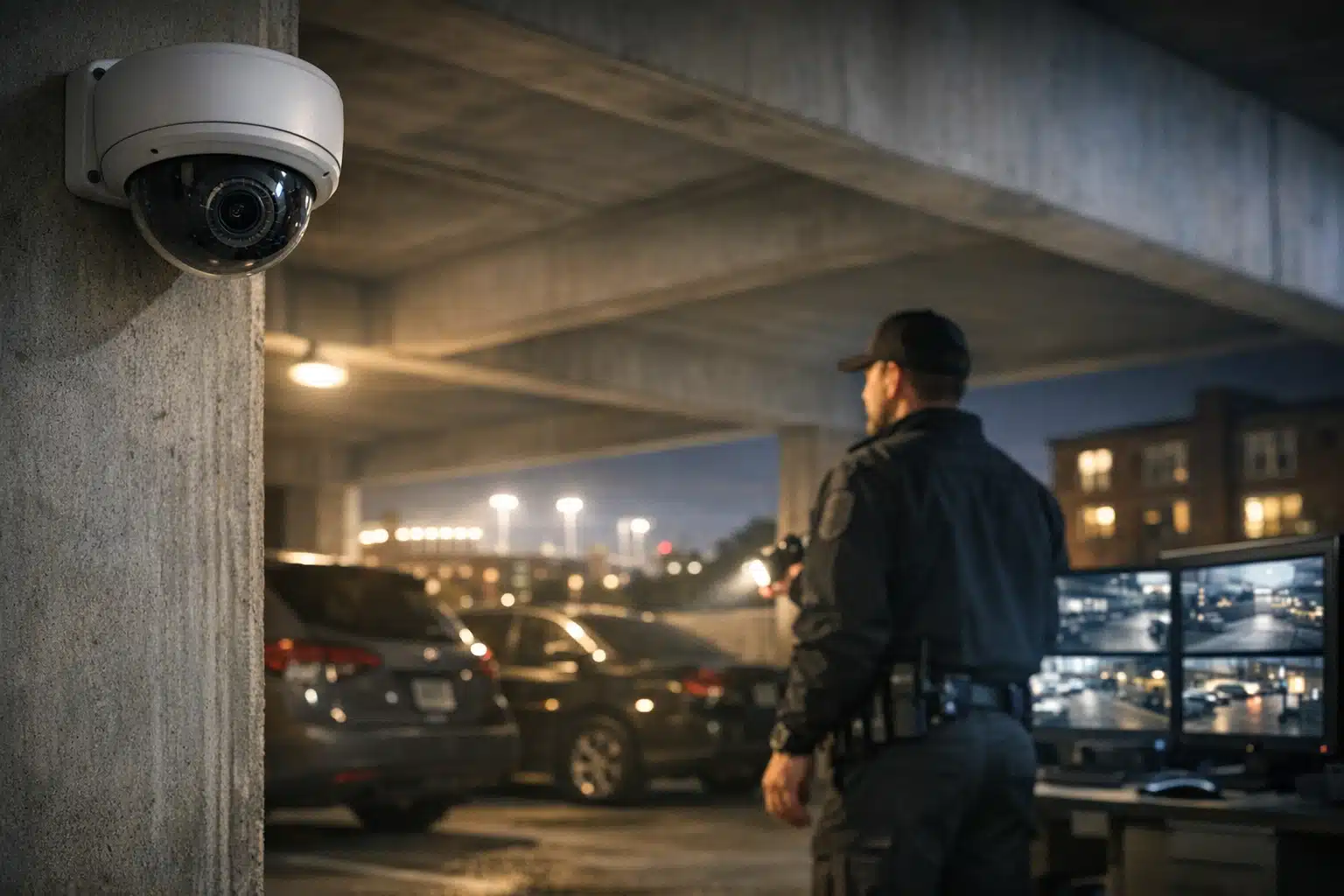
Remote surveillance is crucial for apartment complexes in Kansas City as it helps deter property crime, including parking lot break-ins and package theft. By monitoring common areas and access points, these systems enhance security, providing residents with peace of mind and reducing the likelihood of unauthorized access.
Kansas City Apartment Communities Face New Risks in 2026
Property crime remains one of Kansas City’s steadiest concerns for multifamily housing. Apartment complexes report parking lot break-ins, package theft, and unauthorized access far more than single-family neighborhoods.
Apartment complex security has shifted from a nice-to-have amenity to a leasing requirement in 2026. Renters ask about cameras and monitored access before they sign.
This post breaks down why high-density living spaces in Kansas City need more than a locked gate. It covers real threats, 2026 technology, and how monitoring reduces liability for property managers.
Why Apartment Complex Security Cannot Rely on Guards Alone
On-site patrols cover ground, but no guard watches every entrance at once. A 300-unit complex near Waldo or Overland Park has multiple lots, breezeways, and mail rooms.
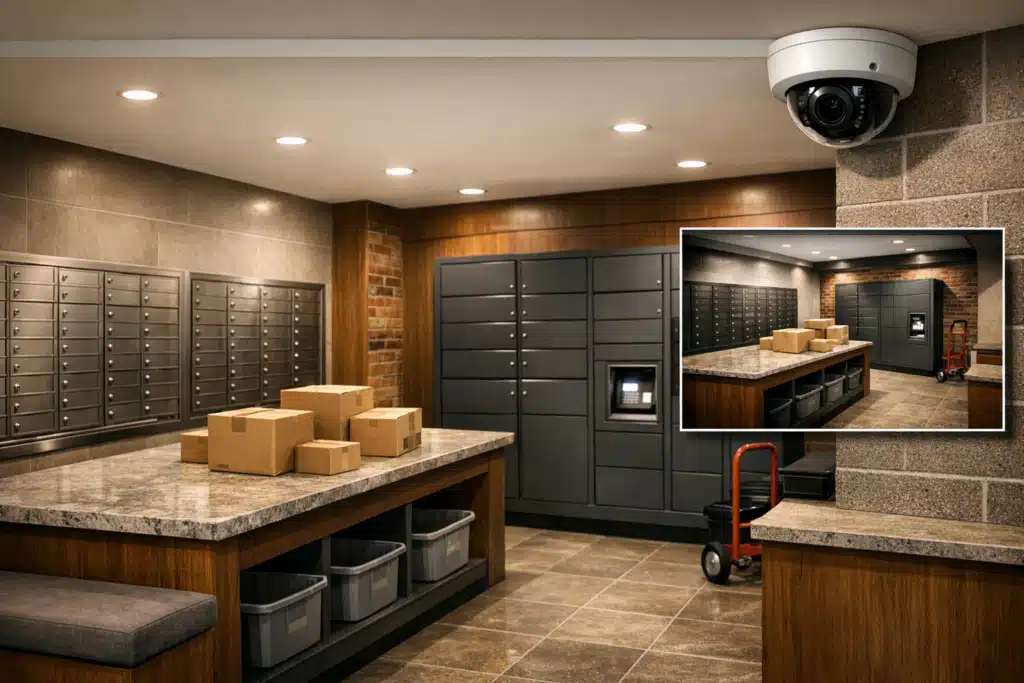
Remote surveillance fills the gaps a single patrol cannot. Live operators watch multiple camera feeds and respond the moment something looks wrong.
The Blind Spots That Cost Property Managers
Most incidents at Kansas City complexes happen in predictable places:
- Parking structures where catalytic converter theft spikes overnight
- Mail and package rooms targeted after delivery hours
- Pool and fitness areas accessed by non-residents after close
- Side entrances propped open by tenants and forgotten
A camera without a live operator only records the crime. Monitored surveillance can stop it before damage happens.
How Remote Surveillance Works for Kansas City Apartments
Monitored surveillance pairs cameras with trained operators watching in real time. When motion triggers an alert, an operator verifies the threat and acts.
Here is the sequence most complexes follow:
- Camera placement at entrances, lots, mail rooms, and amenity zones
- Analytics setup that flags loitering, climbing, or after-hours movement
- Live verification by an operator when an alert fires
- Voice-down warnings broadcast to deter trespassers on the spot
- Dispatch to police or on-site staff when a real threat exists
This response happens in seconds, not hours. That speed separates prevention from a next-day police report.
Voice-Down Deterrence in Practice
A speaker warning is one of the strongest tools against trespassers. When an operator addresses someone by their actions, most people leave.
Example: A person testing car door handles in a Midtown lot hears, “You in the gray hoodie by the blue sedan, you are being recorded.” That intervention ends the attempt.
Midwest Weather Puts Kansas City Apartment Security to the Test
Tornado season and ice storms create conditions criminals exploit. Power outages disable basic camera setups and unmonitored gates.
Monitored systems built for Kansas City weather include backup power and cellular failover. When storms knock out local internet, the feed stays live.
What to Ask About Weather Resilience
- Does the system run on battery backup during outages?
- Do cameras hold up in high wind and freezing rain?
- Is there cellular failover if broadband drops?
- Are lenses rated for glare, snow, and low light?
These questions matter most from March through June, when severe weather peaks across Missouri and Kansas.
2026 Trends Shaping Apartment Complex Security
Several shifts define how Kansas City complexes protect residents this year. Property managers who track them stay ahead of tenant expectations.
1. Renters Expect Verified Access
Tenants near the Plaza and Crossroads want to know who enters the building. Monitored entry points and video-verified access are now leasing points.
2. Package Theft Drives Camera Demand
Online delivery volume keeps climbing across Kansas City metro. Mail room cameras with active monitoring cut package loss dramatically.
3. Insurance Providers Reward Monitoring
Some carriers offer better premiums for complexes with verified surveillance. Documented monitoring lowers liability claims from parking lot incidents.
4. Labor Costs Push Hybrid Models
Staffing every shift with guards strains budgets. Many complexes now pair one on-site officer with remote monitoring for full coverage at lower cost.
Comparing Coverage Models for Kansas City Complexes
Property managers usually weigh three approaches. Each fits a different budget and risk level.
On-Site Guards Only
Guards handle in-person disputes and resident concerns well. They cannot watch every camera or lot at once, and overnight coverage gets expensive.
Cameras Without Monitoring
Unmonitored cameras record events but stop nothing. They help after an incident but offer no prevention.
Hybrid Monitoring
A blend of remote surveillance and periodic patrols covers the most ground. Operators watch feeds around the clock while officers handle physical response.
For most Kansas City apartment complexes, the hybrid model gives the best coverage per dollar.

 Posted on Google
Missouri and Kansas Compliance Notes
Security recording carries legal responsibilities in both states. Camera placement and audio recording must follow state law.
- Avoid recording inside private units or areas with an expectation of privacy
- Post signage notifying residents that common areas are monitored
- Follow one-party consent rules for any audio capture in Missouri and Kansas
- Retain footage long enough to support police and insurance claims
A qualified provider helps property managers stay within these rules. Missteps here create liability instead of protection.
What Apartment Complex Security Costs in Kansas City
Pricing depends on unit count, camera zones, and monitoring hours. A small complex needs fewer feeds than a 400-unit property near Overland Park.
Factors that shape the quote include:
- Number of cameras and coverage zones
- Hours of live monitoring per day
- Voice-down and dispatch features
- Backup power and failover requirements
- Whether on-site patrols supplement the feeds
Remote monitoring usually costs less than round-the-clock guard staffing. That gap grows with the size of the property.
Steps to Improve Your Apartment Complex Security Now
Property managers can strengthen protection with a clear order of operations:
- Audit current camera coverage and identify blind spots
- Prioritize parking lots, mail rooms, and entrances first
- Add live monitoring to existing or new cameras
- Post signage to deter and to meet legal requirements
- Review incident logs monthly and adjust camera angles
Small changes at high-risk points produce the fastest results. Start where incidents cluster.
Protecting Kansas City Residents Starts With the Right Partner
Apartment complex security in 2026 depends on real-time monitoring, not just recorded footage. Kansas City’s weather, delivery volume, and rental demand make remote surveillance a practical answer for high-density living.
Twin City Security Kansas City builds monitoring programs for local apartment communities across the metro. Call 913‑831‑2525 or email Kansas@TwinCitySecurity.com for a Kansas City security assessment or monitoring quote.
Sources
- FBI – Uniform Crime Reporting (UCR) Program
- National Weather Service – Kansas City/Pleasant Hill Forecast Office
- Kansas City Missouri Police Department – Crime Data and Resources
Kansas City apartment complexes in 2026 face increasing security challenges, making remote surveillance a necessity rather than an option. With rising property crime and tenant expectations for safety, effective monitoring systems are essential for protecting residents and reducing liability.
- Property crime in Kansas City is a significant concern for apartment communities, with issues like package theft and unauthorized access on the rise.
- Remote surveillance provides real-time monitoring, allowing operators to respond to threats immediately, unlike traditional security methods.
- Weather conditions can impact security systems, so robust monitoring solutions with backup power are crucial for maintaining safety during storms.
Recent Posts