
How to Enhance Security for Kansas City’s Outdoor Summer Festivals
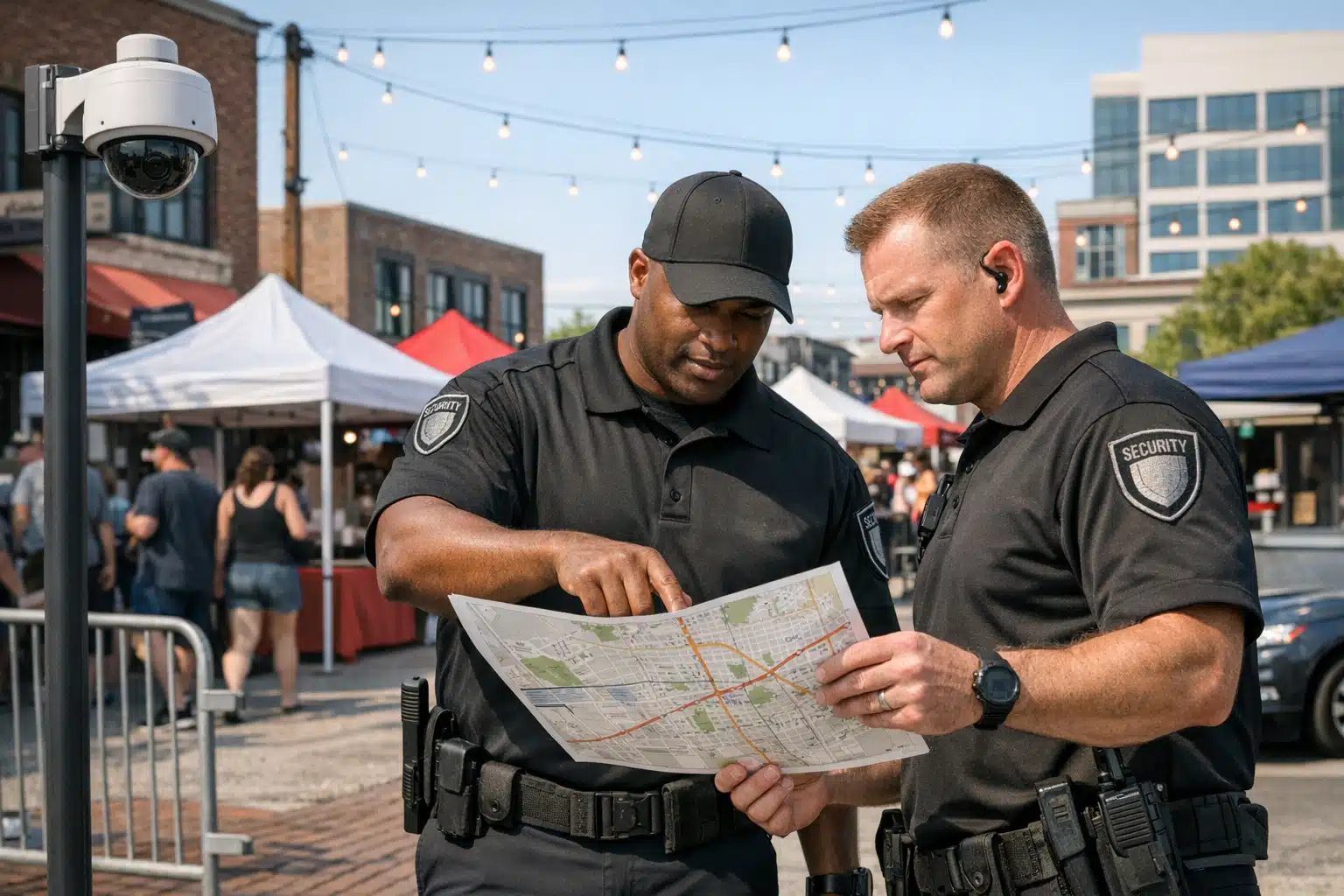
Why Outdoor Summer Festivals in Kansas City Need a Different Security Plan
Kansas City summers pack the calendar with outdoor gatherings. From the Crossroads Arts District to Westport street fairs, crowds swell fast.
Festival security for these events differs from standard venue protection. Open-air spaces, shifting weather, and mobile vendors create risks that indoor arenas never face.
This post walks Kansas City venue operators and event planners through practical steps to protect attendees, staff, and revenue. Each section reflects situations our teams have worked across the metro.
Start Festival Security Planning 90 Days Before Gates Open
Effective festival security begins months ahead, not the week of the event. Permit approvals in Kansas City can take 30 to 60 days alone.
Early planning gives you time to map risks against your specific site. A Crossroads block party has different needs than a Swope Park music event.
Build Your Pre-Event Security Checklist
Use this sequence when preparing an outdoor summer event:
- Site survey — Walk the grounds and mark entry points, blind spots, and vendor rows.
- Crowd estimate — Match guard-to-attendee ratios to expected turnout.
- Permit coordination — Confirm requirements with Kansas City, Missouri or Kansas municipal offices.
- Weather protocol — Draft a heat and storm response before opening day.
- Emergency routes — Clear paths for ambulances and fire access.
Skipping the site survey causes most day-of problems. Blind spots near food trucks and stage backstages invite theft and unauthorized access.
Midwest Weather Shapes Outdoor Event Safety
Kansas City sits inside a region prone to violent summer storms. Outdoor event safety depends on how fast your team responds to changing skies.
The National Weather Service issues severe thunderstorm and tornado watches with little warning in July and August. Your security staff needs a clear trigger for action.
Heat Risks Come First
Heat index readings in Kansas City often top 100 degrees in mid-summer. Crowds packed near stages face real medical danger.
- Position guards near water stations to spot early signs of heat exhaustion.
- Keep shaded rest zones marked and monitored.
- Train staff to recognize confusion, cramping, and fainting.
Storm and Tornado Response
Assign one person to track radar during the event. When a warning hits, seconds count for a crowd of thousands.
Set a lightning threshold and a shutdown order in advance. Announce evacuation routes over the PA before storms arrive, not during.
A festival near Berkley Riverfront has no permanent shelter. Pre-arrange nearby parking garages or covered structures as fallback points.
Crowd Management in Dense Kansas City Districts
Crowd control protects both attendees and your liability. Overcrowded chokepoints cause injuries and mask theft activity.
Districts like Power & Light and Westport already draw heavy foot traffic. A festival layered on top raises density fast.
Control Entry and Exit Flow
Separate entry lanes from exit lanes to prevent bottlenecks. Bag checks at entry slow crowds, so staff multiple lanes.
- Use marked queue lines with staff at each gate.
- Cap capacity per zone and count heads at entry.
- Station guards at stage fronts where crush risk peaks.
Manage Alcohol Service Points
Beer gardens and drink vendors draw the most incidents at KC summer festivals. Fights and disorderly conduct cluster around these zones after dark.
Place trained guards within sight of every service point. Coordinate with vendors on cutoff times and ID checks.
Remote Video Surveillance Extends Your Coverage
On-site guards cannot watch every corner of an open festival ground. Remote video surveillance fills the gaps guards physically cannot reach.
Mobile camera units cover parking lots, vendor storage, and perimeter fencing. A monitoring team watches feeds and alerts ground staff to problems.
Where Cameras Earn Their Keep
- Vendor storage areas — Cash and inventory sit exposed overnight.
- Parking lots — Vehicle break-ins spike during large events.
- Perimeter fences — Gate-crashers test weak points away from main entries.
- Load-in zones — Equipment theft happens during setup and teardown.
Teardown is the most overlooked theft window. Crews are tired, crowds have left, and expensive audio gear sits unattended.
Protecting BBQ District Vendors and Cash Handling
Kansas City’s food culture puts BBQ vendors at the center of many festivals. Cash-heavy stalls make attractive targets.
Vendors handling hundreds of transactions carry large cash sums by evening. A single unattended register invites grab-and-run theft.
Cash Security Steps for Food Vendors
- Schedule guard escorts for mid-event cash pickups.
- Set a locked drop safe in a monitored back area.
- Limit cash on hand at each stall to a set amount.
- Position a camera facing high-volume payment points.
Coordinating pickups every few hours reduces loss if theft occurs. Vendors focused on grills cannot watch their own cash boxes.

 Posted on Google
Coordinating With Kansas City Police and EMS
Private security supports but never replaces public safety agencies. Clear coordination prevents confusion during emergencies.
Kansas City Missouri Police Department requires notification for large public gatherings. Off-duty officers can supplement licensed guards for high-attendance events.
Define Roles Before the Event
- Assign a single command contact for police and EMS.
- Share your site map and evacuation plan in advance.
- Set radio channels that link guards, medics, and officers.
- Post medical stations at marked, easy-to-reach spots.
A shared radio channel closes the response gap. When a guard spots a medical case, EMS should hear it directly.
Guard Staffing Ratios for Outdoor Festivals
Staffing depends on crowd size, alcohol service, and hours of operation. A daytime family fair needs fewer guards than a nighttime concert.
A common starting point is one guard per 100 attendees for lower-risk events. Alcohol, cash, and late hours push that ratio higher.
Adjust Coverage by Time of Day
Incidents rise after sunset at most KC festivals. Schedule your heaviest guard presence for evening hours.
Do not thin coverage during teardown. Theft and injury risk stays high while equipment moves out and crowds disperse.
What Festival Security Costs in Kansas City
Pricing depends on guard count, event length, and technology added. Remote camera units and monitoring add a separate line beyond guard hours.
Factors that shape your quote include:
- Number of licensed guards and total hours.
- Armed versus unarmed staffing.
- Camera units and live monitoring coverage.
- Off-duty officer coordination fees.
A one-day Crossroads street fair carries a smaller footprint than a three-day riverfront concert. Request a site-specific assessment for accurate numbers.
Bringing It Together for a Safer Festival Season
Strong festival security combines early planning, weather readiness, crowd control, and remote monitoring. Kansas City’s summer weather and dense districts demand plans built for local conditions.
Twin City Security Kansas City works with venue operators and event planners across the metro to protect attendees, vendors, and staff. Call 913‑831‑2525 or email Kansas@TwinCitySecurity.com for a site-specific festival security assessment.
Sources
Recent Posts