
How to Choose the Right Security Solution for Kansas City’s Historic Districts
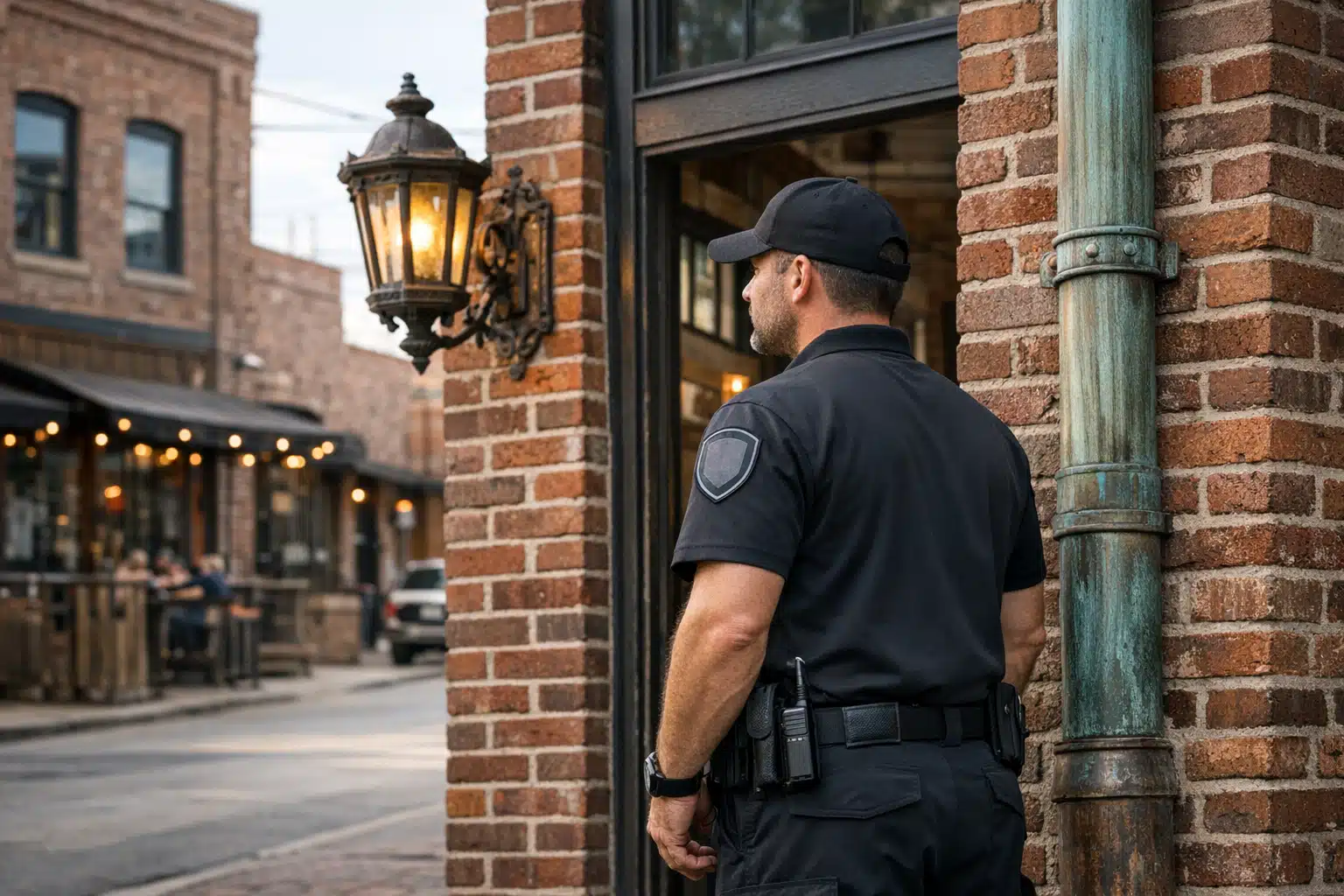
Choosing the right security solution for Kansas City's historic districts involves assessing the unique vulnerabilities of older buildings. Consider options that protect architectural features while deterring theft, such as discreet surveillance systems and secure access controls. Tailoring the approach to the specific needs of each property is essential for effective protection.
Why Historic District Security Demands a Different Playbook in Kansas City
Kansas City’s oldest buildings face threats that newer properties never see. Brick facades in the Crossroads Arts District date back more than a century. Copper downspouts, antique light fixtures, and architectural metal draw thieves.
Protecting historic district security means guarding both the property and the irreplaceable materials inside it. You cannot bolt modern hardware into a 1900s limestone wall without consequences. This post walks Kansas City property owners through picking the right protection for these settings.
Metal theft and vacant-building break-ins remain steady concerns across Jackson County. Owners in Westport, the River Market, and the 18th & Vine district deal with these risks weekly.
Understanding the Specific Risks in Kansas City Historic Areas
Each historic pocket carries its own threat profile. A River Market loft faces different problems than an 18th & Vine jazz venue. Start by naming the exact risks on your block.
Common Threats Across Historic Properties
- Copper and architectural metal theft from downspouts, roofing, and fixtures
- Vacant building intrusion during renovation gaps
- Vandalism and graffiti on brick and stone facades
- Catalytic converter theft from cars parked near Crossroads galleries
- Foot traffic spillover from Power & Light District nightlife
Copper theft spikes when scrap prices climb. Vacant renovations in the West Bottoms sit exposed for months. Both create openings criminals watch for.
Weather Risks Unique to the Midwest
Tornado season runs March to June across Missouri and Kansas. High winds strip old roofing and scatter debris. Camera mounts on aged masonry can loosen in storms.
Ice storms coat equipment and knock out power. Any security setup here must keep working when the grid fails. Backup power matters as much as the cameras themselves.
Matching Security Options to Your Historic Property Type
The right protection depends on whether your building is occupied, under renovation, or open to the public. Match the method to the use.
Occupied Commercial Buildings
Galleries, restaurants, and offices in the Crossroads need a mix. On-site guards handle crowds during First Fridays. Remote cameras watch loading docks after hours.
First Fridays draw thousands into the Crossroads each month. Pedestrian volume creates theft and liability exposure. A guard present during peak hours deters both.
Buildings Under Renovation
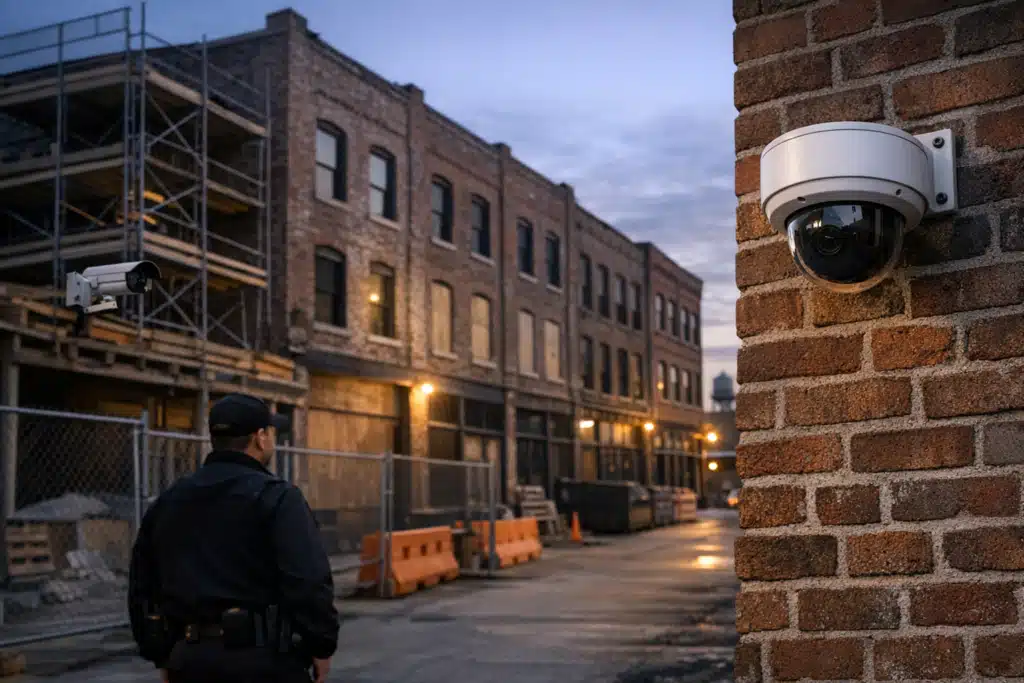
Vacant or half-finished properties attract the most theft. Contractors leave copper, tools, and lumber on site. Remote video monitoring covers these gaps cost-effectively.
To protect a historic renovation site, follow these steps:
- Map every access point, including basement windows and alley doors
- Install temporary pole-mounted cameras that avoid drilling into original masonry
- Add motion-triggered lighting on battery backup
- Set remote monitoring hours for nights and weekends when crews leave
- Post visible signage stating the site is under active surveillance
Public Venues and Entertainment Spaces
18th & Vine jazz clubs and Westport bars see late crowds. These venues need guards trained in crowd management. They also need cameras covering entrances and nearby lots.
How to Protect Historic Facades Without Damaging Them
Mounting hardware on protected buildings carries rules. Kansas City’s Historic Preservation Commission reviews exterior changes in designated districts. Drilling the wrong spot can mean fines or forced removal.
Preservation-Friendly Installation Methods
- Mortar-joint mounting instead of drilling into brick faces
- Pole-mounted camera trailers that need no building contact
- Wireless cameras that skip invasive cable runs
- Reversible fixtures that leave no permanent marks
Always check whether your property sits in a designated district first. A quick call to the city confirms the review requirements. Skipping this step risks costly rework.
On-Site Guards Versus Remote Video Monitoring
Both methods work for historic properties. The right pick depends on budget, risk level, and building use. Many Kansas City owners combine the two.
When On-Site Guards Make Sense
Choose guards when you need a human response. They handle disputes, direct crowds, and check credentials. First Fridays, private events, and nightlife venues benefit most.
Guards also deter theft by presence alone. A uniformed officer near a River Market entrance stops casual intruders cold.
When Remote Monitoring Wins
Remote video monitoring costs less for overnight coverage. One operator watches multiple camera feeds at once. This fits vacant renovations and after-hours gallery protection.
Operators can speak through on-site speakers to warn trespassers. They dispatch police with live verification. False alarm rates drop when a human confirms the threat.
A Combined Approach for Larger Properties
A full city block in the Crossroads may need both. Guards cover event hours. Cameras take over at night. This layered setup controls cost without leaving gaps.

 Posted on Google
Budgeting for Historic District Security in Kansas City
Costs vary with property size and coverage hours. Understanding the drivers helps you plan. Here are the main cost levers to weigh.
- Coverage hours: overnight-only costs far less than 24/7
- Guard count: event crowds need more staff
- Camera quantity: multi-building blocks need wider coverage
- Installation method: preservation-friendly mounts add labor
- Backup power: battery and cellular systems add upfront cost
Remote monitoring usually runs cheaper than round-the-clock guards. A blended plan often hits the best price-to-protection ratio. Twin City Security Kansas City prices each site after a walkthrough.
Questions to Ask Before Hiring a Security Provider
Not every company knows historic property rules. Ask the right questions before signing. The answers reveal real local knowledge.
- Do you install without drilling into protected masonry?
- How do your systems handle power loss during ice storms?
- Are your guards licensed in both Missouri and Kansas?
- Can you cover First Fridays and private event surges?
- Do you offer live operator video verification?
Missouri and Kansas license guards separately. A Kansas City metro operator working both states needs proper credentials on each side of the line.
Building a Security Plan That Fits Your District
Start with a site walkthrough and a written risk assessment. Map your access points, weak spots, and peak-risk hours. Then match guards and cameras to each.
Review the plan after every season change. Tornado season demands sturdier mounts and backup power. Winter demands weatherproof housings and heaters.
Revisit coverage as your use shifts. A gallery that adds evening events needs more guard hours. A renovation that wraps up can scale back monitoring.
Conclusion
Kansas City’s historic districts need protection built around their age, materials, and foot traffic. The right mix of trained guards and preservation-friendly cameras guards both the building and what it holds. Match your method to your property type, local rules, and Midwest weather.
Twin City Security Kansas City designs protection for historic properties across the Crossroads, River Market, Westport, and beyond. Call 913‑831‑2525 or email Kansas@TwinCitySecurity.com for a Kansas City security assessment.
Sources
- Kansas City Police Department – Crime Data
- City of Kansas City, Missouri – Historic Preservation
- National Weather Service – Kansas City/Pleasant Hill
- Missouri Division of Professional Registration
Kansas City's historic districts require tailored security solutions due to unique risks associated with older buildings. Property owners must consider specific threats and preservation-friendly methods when selecting security measures.
- Historic properties face threats like copper theft and vandalism that newer buildings do not encounter. Owners should identify risks specific to their area before implementing security measures. A combination of on-site guards and remote monitoring can effectively protect these valuable assets.
- Why Historic District Security Demands a Different Playbook in Kansas [...] Why Historic District Security Demands a Different Playbook in Kansas City Kansas City’s oldest buildings face threats that newer properties never see.
- Brick facades in the Crossroads Arts District date back more than a century.
Recent Posts