
How to Secure Open-Air Venues in Kansas City’s BBQ District
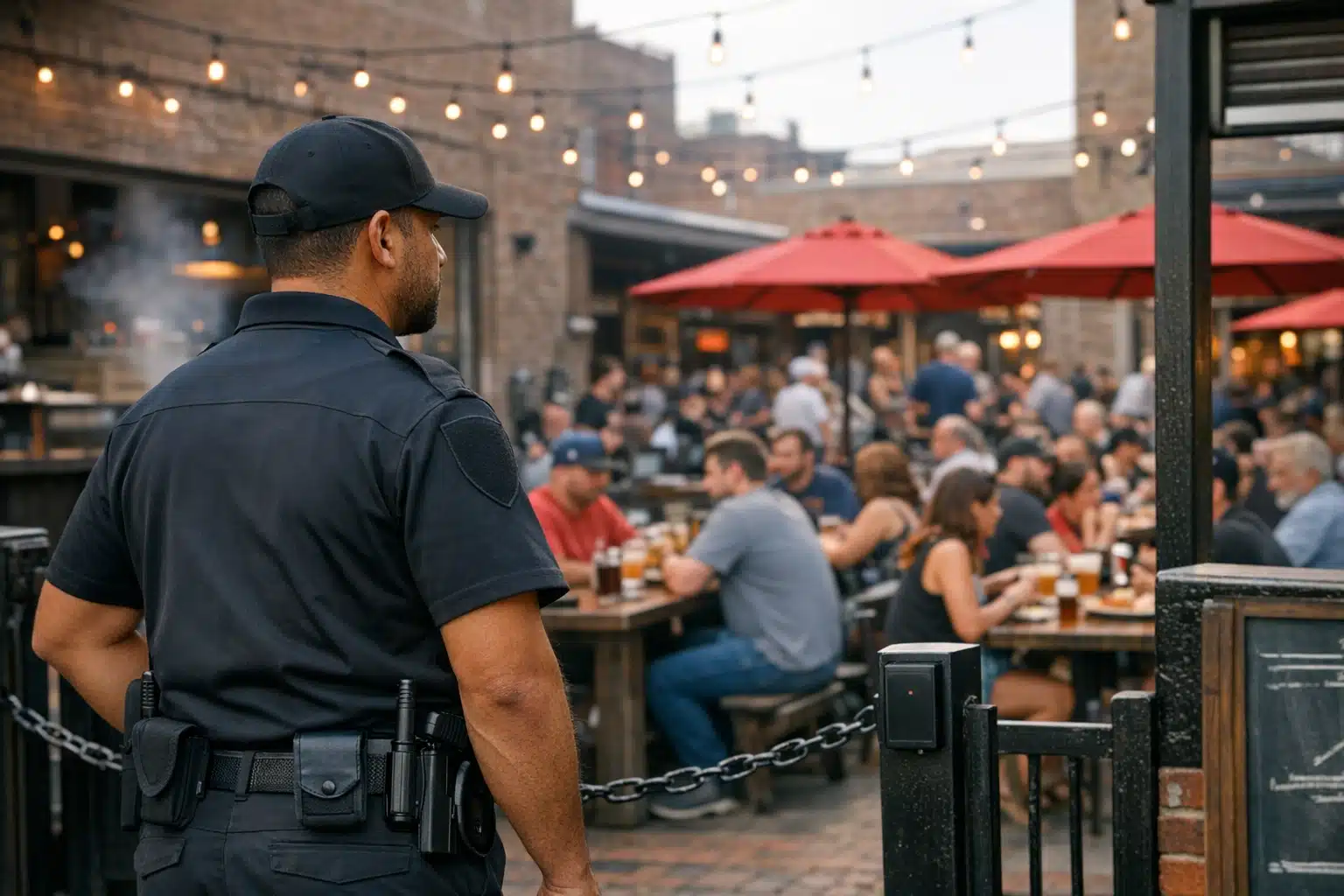
To secure open-air venues in Kansas City's BBQ District, implement safety measures such as crowd control, proper signage, and staff training. Additionally, consider using barriers to manage foot traffic and ensure compliance with local regulations to minimize risks while maximizing the vibrant atmosphere of the area.
Why Open-Air Venue Security Matters in Kansas City’s BBQ District
Kansas City’s barbecue scene draws thousands of visitors each weekend to open patios, food trucks, and outdoor seating. That foot traffic brings revenue and risk in equal measure.
Open-air venue security presents problems that indoor spaces never face. No walls, multiple entry points, and weather that shifts in minutes.
Missouri reported over 130,000 property crime offenses in a recent year, according to state crime data. Outdoor venues with cash registers, kitchen equipment, and unattended patron belongings sit squarely in that risk pool.
This post breaks down how BBQ District operators can protect open-air spaces without killing the relaxed vibe customers come for.
The Specific Risks Open-Air BBQ Venues Face
Outdoor barbecue spots deal with threats that a closed restaurant rarely encounters. Knowing them lets you plan around them.
Unsecured Perimeters
Patio dining and sidewalk seating have no locked door between the public and your property. Anyone can walk up, grab a phone off a table, and vanish into a crowd.
Grab-and-go theft spikes during peak Friday and Saturday dinner hours. Distracted diners make easy targets.
Cash-Heavy Operations
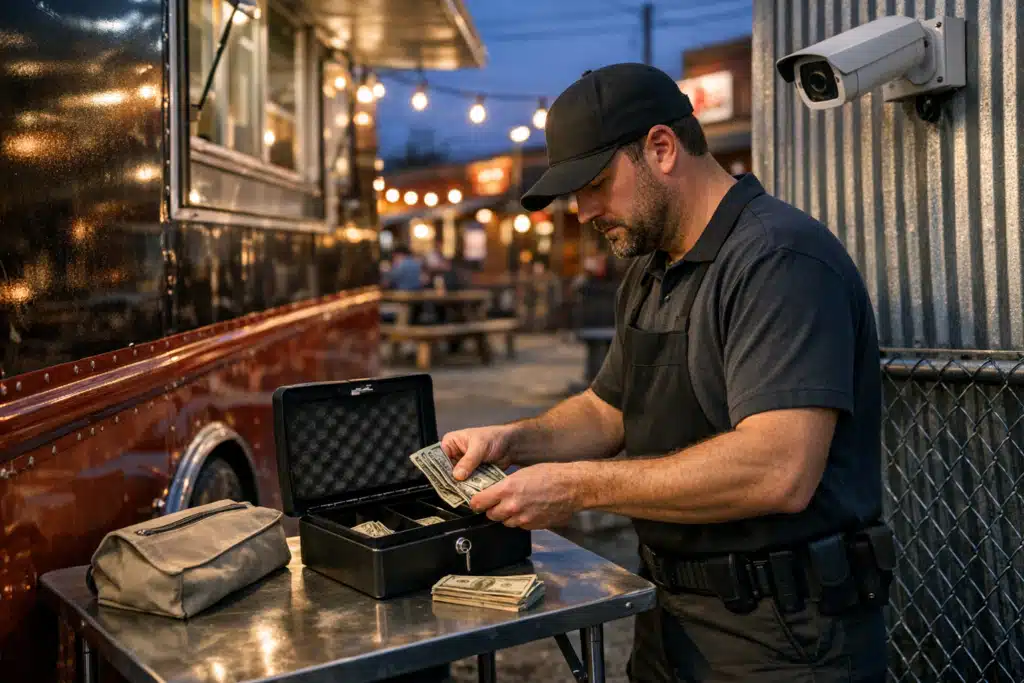
Food trucks and outdoor bars move large volumes of cash. Employees carrying deposits to vehicles after close face real danger in dark parking areas.
Kitchen and Equipment Theft
Smokers, propane tanks, and portable prep stations hold significant value. After hours, these sit outside with minimal protection.
Copper theft from outdoor cooling units remains a common problem across Kansas City commercial zones.
Crowd Surges on Event Days
When the Chiefs or Royals play, nearby BBQ spots fill fast. A patio built for 60 can hold 120 people during a game-day rush.
Overcrowding raises the odds of fights, medical emergencies, and property damage.
Building an Open-Air Venue Security Plan Step by Step
Effective outdoor protection follows a clear order. Start with the perimeter and work inward.
- Map every entry and exit point. Count sidewalk openings, alley access, and delivery gates. Each one needs a plan.
- Define your busiest and most vulnerable hours. Match staffing and coverage to those windows.
- Position visible deterrents. Uniformed guards and marked cameras stop most opportunistic theft before it starts.
- Set a cash-handling protocol. Escort employees on deposit runs. Never let one person carry cash alone after dark.
- Secure equipment overnight. Lock smokers, chain propane, and store portable gear indoors when the venue closes.
- Create a crowd cap for event days. Assign a guard to count heads and control patio entry during peak surges.
On-Site Guards Versus Remote Video Surveillance
Both approaches protect open-air venues. The right mix depends on your hours, budget, and layout.
When On-Site Guards Make Sense
Live guards handle crowd control, break up disputes, and respond to medical events in seconds. During a Saturday night rush in the Crossroads or near Power & Light, human presence matters.
Guards also read body language and de-escalate before a situation turns physical. Cameras cannot do that.
When Remote Surveillance Fits Better
Remote video monitoring covers overnight hours at a lower cost than a full guard shift. Trained operators watch live feeds and speak through on-site audio to warn off trespassers.
For equipment yards and closed patios after 2 a.m., remote monitoring catches intruders and alerts police fast.
The Combined Model
Most BBQ District operators get the best result from both. Guards during service hours, remote cameras overnight. Coverage stays constant without paying for guards around the clock.
Weatherproofing Security for Midwest Conditions
Kansas City weather tests any outdoor system. Your security equipment must survive it.
Summer heat pushes past 100 degrees. Winter ice coats camera lenses. Spring brings tornado warnings and straight-line winds.
Camera Hardware Requirements
- Weather-rated housings that handle rain, snow, and temperature swings
- Infrared night vision for dark patios and parking areas
- Wind-resistant mounting anchored to survive gusts over 60 mph
- Battery or cellular backup for when storms cut power
Storm Season Planning
Tornado season runs from March into June across the metro. Have a written plan for moving patrons indoors when sirens sound.
A guard who knows the nearest shelter location can move 100 people to safety in minutes. That planning saves lives.

 Posted on Google
Kansas City and Missouri Licensing Rules You Should Know
Security personnel in Kansas City must meet state and local standards. Hiring unlicensed guards exposes you to liability.
Missouri requires background checks for security officers. Any firm you hire should carry current licensing and liability insurance.
Ask any provider for proof of insurance and guard certifications before signing. A reputable company shares this without hesitation.
Cost Expectations for BBQ District Venue Security
Pricing varies by coverage type and hours. Knowing rough ranges helps you budget.
- On-site unarmed guards: priced per hour, with rates rising for event-day and overnight coverage
- Remote video monitoring: monthly fee based on camera count and monitored hours
- Event-only staffing: short-term contracts for Chiefs and Royals game days
Remote monitoring often costs less than round-the-clock guards. Many operators use it to stretch a limited security budget across more hours.
A Real Scenario: Game-Day Coverage Near the Stadiums
Picture a BBQ patio three miles from Arrowhead on a Sunday home game. Foot traffic triples by noon.
A single guard at the patio entrance controls the head count. A second monitors the cash area and parking lot.
Remote cameras record everything and feed a monitoring center. If a dispute breaks out, the recorded footage settles insurance questions later.
This layered setup keeps service running smoothly and protects both patrons and staff.
Get an Open-Air Venue Security Assessment in Kansas City
Protecting an outdoor BBQ venue means matching guards, cameras, and weather-ready equipment to your exact layout and hours. The right plan stops theft, controls crowds, and keeps your patrons safe.
Twin City Security Kansas City assesses BBQ District venues and builds coverage that fits your space and budget. Call 913‑831‑2525 or email Kansas@TwinCitySecurity.com for a Kansas City security assessment or monitoring quote.
Sources
- Missouri State Highway Patrol – Statistical Analysis Center Crime Data
- National Weather Service – Kansas City/Pleasant Hill Forecast Office
- FBI – Uniform Crime Reporting Program
Open-air venues in Kansas City's BBQ District face unique security challenges due to their outdoor nature and high foot traffic. Effective security plans are essential to protect patrons and property while maintaining a welcoming atmosphere.
- Outdoor venues lack the physical barriers of indoor spaces, making them vulnerable to theft and other risks. Operators must assess entry points and peak hours to enhance security measures.
- Cash-heavy operations and valuable equipment are common targets for theft, especially during busy events. Proper cash-handling protocols and equipment security are critical.
- A combination of on-site guards and remote video surveillance offers the best protection. This approach ensures constant coverage while managing costs effectively.
Recent Posts