How Remote Surveillance Can Protect Kansas City’s BBQ District Merchants
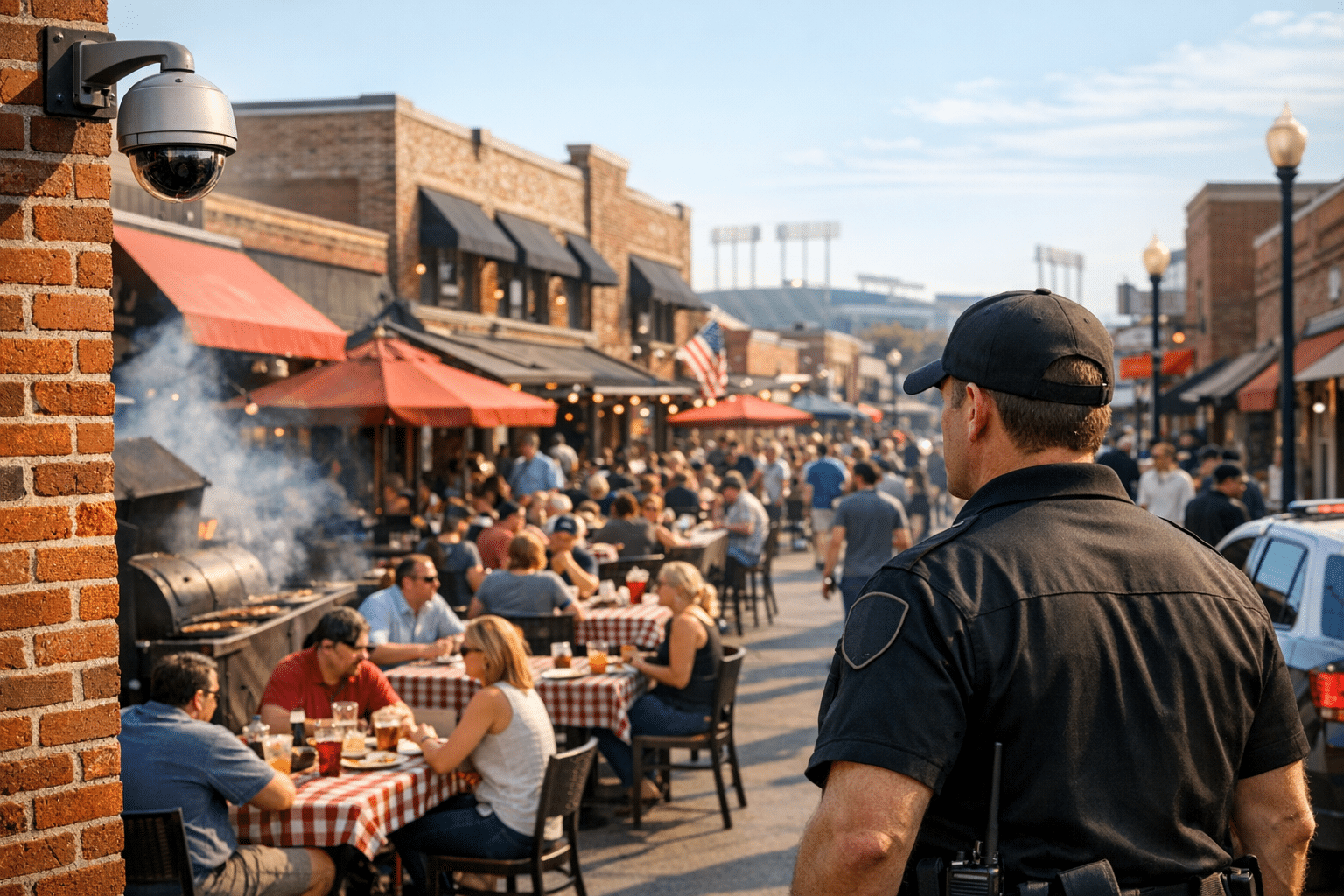
Remote surveillance protects Kansas City's BBQ district merchants by offering continuous monitoring, which deters theft, vandalism, and break-ins. Unlike traditional security systems, remote surveillance operates 24/7, ensuring that merchants can respond quickly to incidents and maintain a safer environment for both their businesses and customers.
Why Kansas City’s Famous BBQ District Needs Advanced Security
Kansas City’s BBQ district attracts thousands of visitors daily, making local merchants vulnerable to theft, vandalism, and after-hours break-ins. Remote surveillance provides 24/7 protection that traditional security measures can’t match.
The district’s unique challenges include late-night crowds, outdoor dining areas, and valuable equipment left on patios. Cash-heavy businesses face particular risks during closing hours.
Modern monitoring systems offer real-time threat detection and immediate response capabilities. This technology transforms how BBQ restaurants and neighboring businesses protect their investments.
How Remote Surveillance Systems Work for Restaurant Security
Professional monitoring centers track multiple camera feeds simultaneously using AI-powered detection software. When suspicious activity occurs, trained operators assess the situation within seconds.
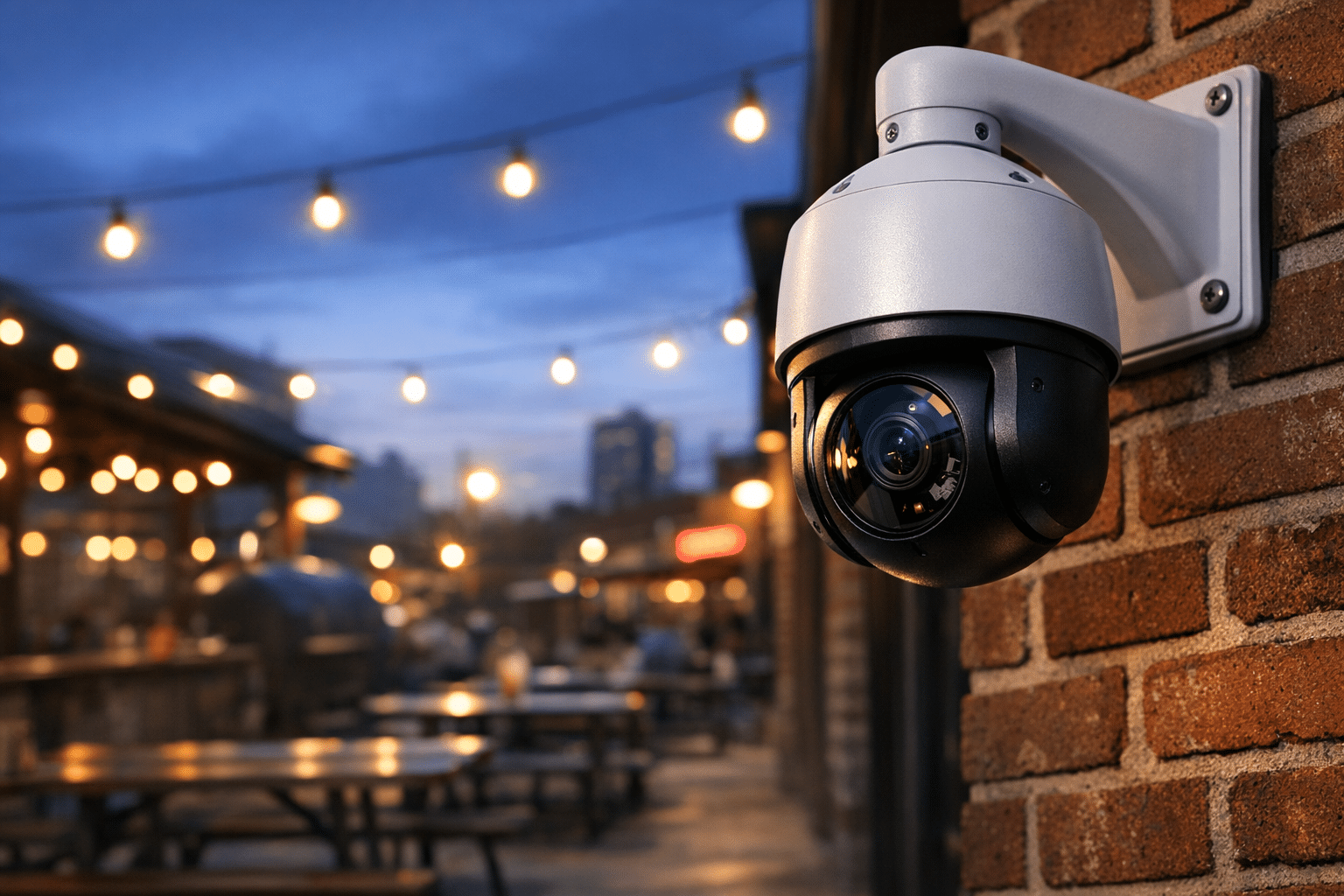
The system works through three key components:
- High-resolution cameras with night vision and weather resistance
- Motion sensors that distinguish between customers and potential threats
- Two-way audio systems allowing direct communication with intruders
Operators can issue verbal warnings, contact law enforcement, or alert business owners instantly. This multi-layer approach stops incidents before property damage occurs.
Real-Time Monitoring vs Traditional Alarms
Standard alarm systems only trigger after a break-in happens. Remote monitoring prevents crimes by detecting suspicious behavior early.
Professional operators distinguish between false alarms and genuine threats. This reduces unnecessary police responses while ensuring real emergencies get immediate attention.
Protecting Outdoor Dining and Equipment Storage
BBQ restaurants invest heavily in outdoor smokers, grills, and patio furniture. These assets remain vulnerable during overnight hours when businesses close.
Specialized cameras monitor loading docks, dumpster areas, and equipment storage zones. Thieves often target these locations assuming they’re unwatched.
Weather-resistant camera systems function effectively during Kansas City’s severe storms and temperature extremes. Infrared technology maintains clear visibility regardless of lighting conditions.
Monitoring High-Value Kitchen Equipment
Commercial smokers and specialized BBQ equipment represent significant investments for restaurant owners. Remote cameras protect both indoor and outdoor cooking areas.
Motion detection algorithms learn normal business patterns. The system alerts operators when movement occurs outside regular operating hours.
Addressing Crowd Management and Customer Safety
Popular BBQ joints experience crowding during peak hours and special events. Surveillance systems help managers monitor capacity limits and identify potential conflicts.
Camera placement strategies focus on entry points, dining areas, and parking zones. This comprehensive coverage protects customers while documenting any incidents that occur.
BBQ district security requires understanding the unique flow of pedestrian traffic and vehicle movement. Systems adapt to these patterns for optimal effectiveness.
Event Day Security Considerations
Chiefs game days and local festivals bring increased foot traffic to the BBQ district. Remote monitoring scales up during these high-activity periods.
Additional operators monitor feeds during major events. This ensures adequate coverage when crime risks typically increase.
Cost-Effective Security for Small Restaurant Owners
Many BBQ restaurant owners assume professional security exceeds their budgets. Remote surveillance costs significantly less than hiring full-time security guards.
Monthly monitoring fees typically range from $200 to $800 depending on coverage needs. This investment often pays for itself by preventing a single theft incident.
Systems require minimal maintenance once installed. Professional technicians handle updates and repairs as part of service agreements.
Flexible Coverage Options
Restaurants choose from several monitoring levels:
- After-hours only – Protection during closed business hours
- 24/7 coverage – Continuous monitoring including peak dining times
- Event-based activation – Enhanced monitoring during special events or high-risk periods
This flexibility allows business owners to match security investment with actual risk levels.
Integration with Existing Security Measures
Remote surveillance works alongside current security systems rather than replacing them entirely. Integration enhances overall protection effectiveness.
Existing alarm panels connect to monitoring centers through secure communication channels. This creates a unified response system for all security events.
Access control systems link with camera networks to verify authorized entry. Operators can confirm whether door openings represent legitimate access or security breaches.
Coordinating with Local Law Enforcement
Monitoring centers maintain direct communication with Kansas City police dispatch. Verified threats receive priority response compared to standard alarm calls.
Video evidence captured during incidents assists law enforcement investigations. High-quality footage increases conviction rates for arrested suspects.

 Posted on Google
Weather Resilience for Midwest Conditions
Kansas City’s tornado season and severe thunderstorms test security equipment durability. Professional-grade cameras withstand harsh weather conditions that disable consumer-grade systems.
Backup power systems maintain operation during electrical outages. Cellular communication provides redundancy when internet connections fail.
Winter ice storms and summer heat extremes require specialized housing for outdoor cameras. Professional installations account for these environmental factors.
Choosing the Right Monitoring Partner
Local security providers understand Kansas City’s unique challenges better than national chains. They know crime patterns, police response times, and neighborhood-specific risks.
Key selection criteria include:
- UL-listed monitoring centers with redundant communication systems
- Local installation teams familiar with Kansas City building codes
- 24/7 technical support for system maintenance and troubleshooting
Response time guarantees ensure operators acknowledge alarms within specified timeframes. This commitment reflects the provider’s operational capabilities.
Understanding Service Level Agreements
Professional monitoring contracts specify exact response procedures for different alarm types. Clear protocols prevent confusion during actual emergencies.
Service agreements should include equipment maintenance, software updates, and replacement guarantees. These provisions protect the business owner’s investment long-term.
Return on Investment for BBQ District Merchants
Restaurant theft incidents average $2,500 in direct losses plus business interruption costs. Remote surveillance prevents multiple incidents annually for most businesses.
Insurance companies often provide discounts for professionally monitored properties. These savings offset monthly monitoring fees over time.
Employee theft detection capabilities provide additional value beyond external security threats. Internal cameras help restaurant owners maintain inventory control and operational oversight.
Measuring Security System Effectiveness
Monthly reports track alarm events, response times, and incident outcomes. This data helps business owners understand their security investment’s value.
Trend analysis identifies patterns that indicate increased risk periods. Restaurant owners can adjust staffing and procedures accordingly.
The combination of crime prevention and operational insights justifies monitoring costs for most BBQ district businesses. Professional systems deliver measurable returns through multiple benefit categories.
Getting Started with Professional Monitoring
Security assessments identify specific vulnerabilities unique to each restaurant location. Professional technicians evaluate lighting, access points, and high-risk areas.
Installation typically takes one to two days depending on coverage requirements. Minimal business disruption occurs during system deployment.
Training sessions teach restaurant staff how to interact with monitoring systems effectively. Understanding proper procedures maximizes security benefits while minimizing false alarms.
Kansas City BBQ district merchants deserve protection that matches their community investment. Remote surveillance provides comprehensive security without the overhead of traditional guard services. Contact Twin City Security Kansas City at 913-831-2525 or Kansas@TwinCitySecurity.com to discuss customized monitoring solutions for your restaurant.
Sources
- FBI Uniform Crime Reporting Program – Crime Statistics
- National Retail Federation – Retail Security Survey
- UL Solutions – Security System Certification Standards
Kansas City's BBQ District faces significant security challenges due to high foot traffic and valuable outdoor equipment. Remote surveillance offers a modern solution that enhances protection for local merchants against theft and vandalism.
- Remote surveillance provides 24/7 monitoring, offering real-time threat detection and immediate response capabilities.
- High-resolution cameras and motion sensors help prevent crimes before they occur, reducing false alarms and ensuring genuine threats are addressed.
- Flexible coverage options allow restaurant owners to tailor security investments based on their specific needs and risks.
Recent Posts